











Filters
35 products
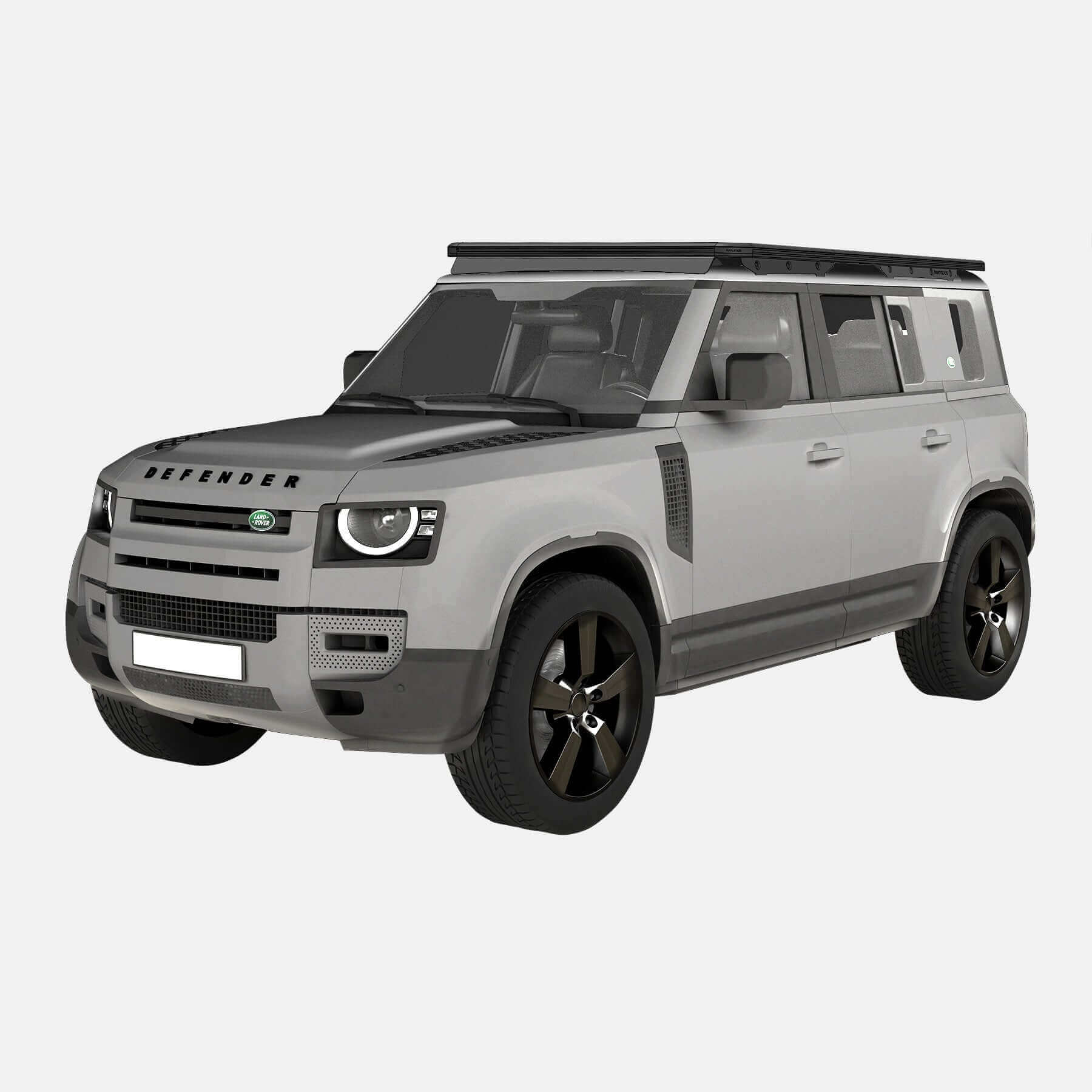
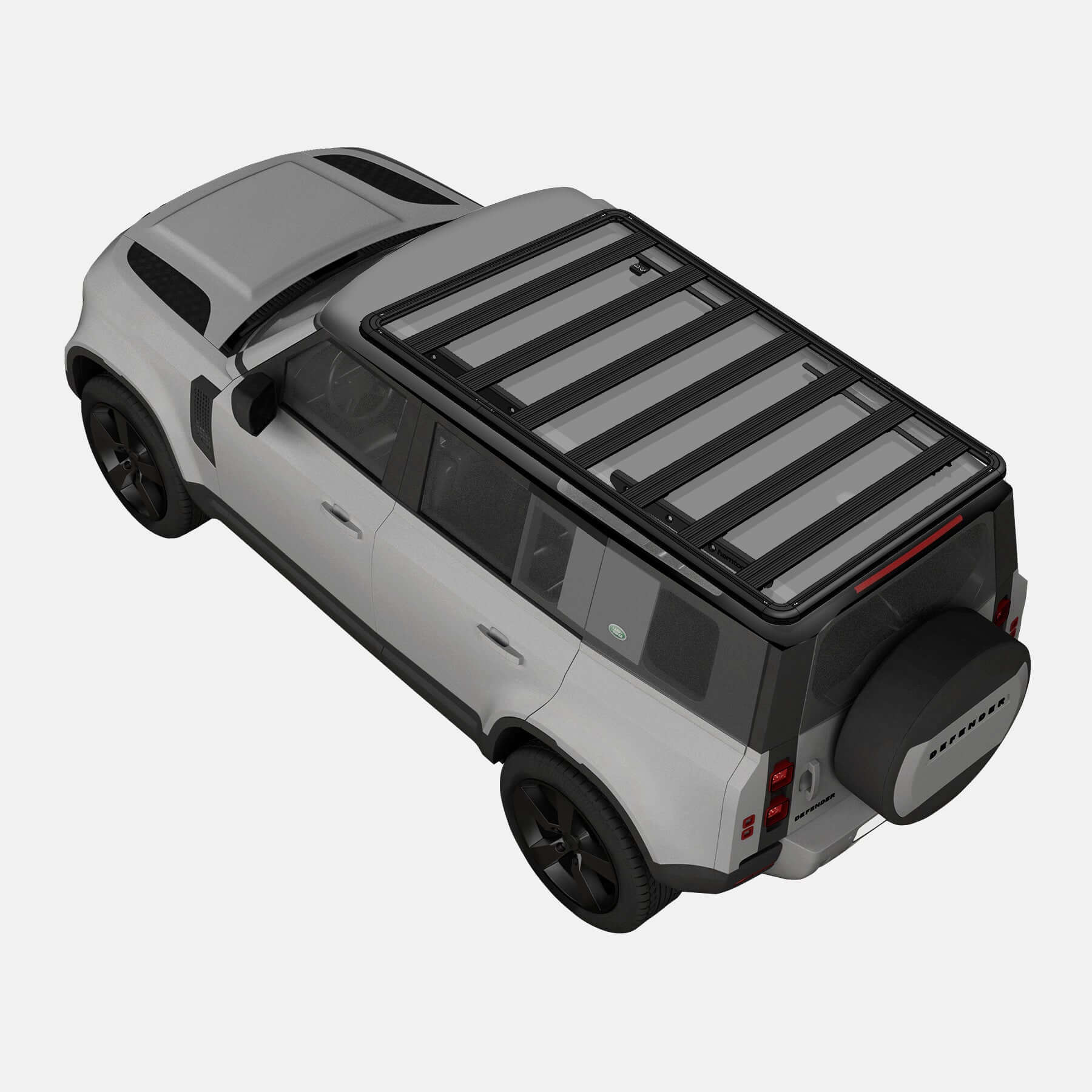
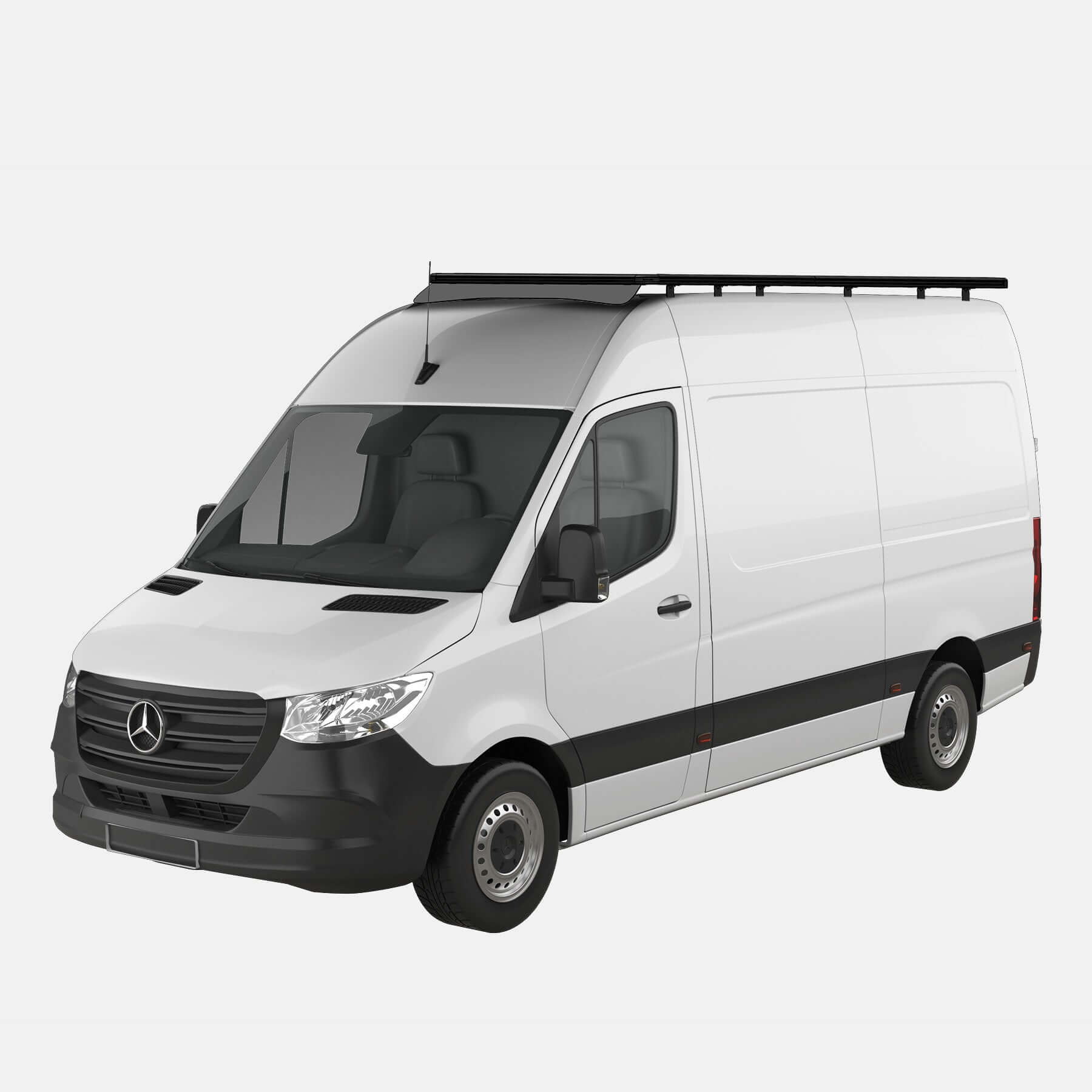
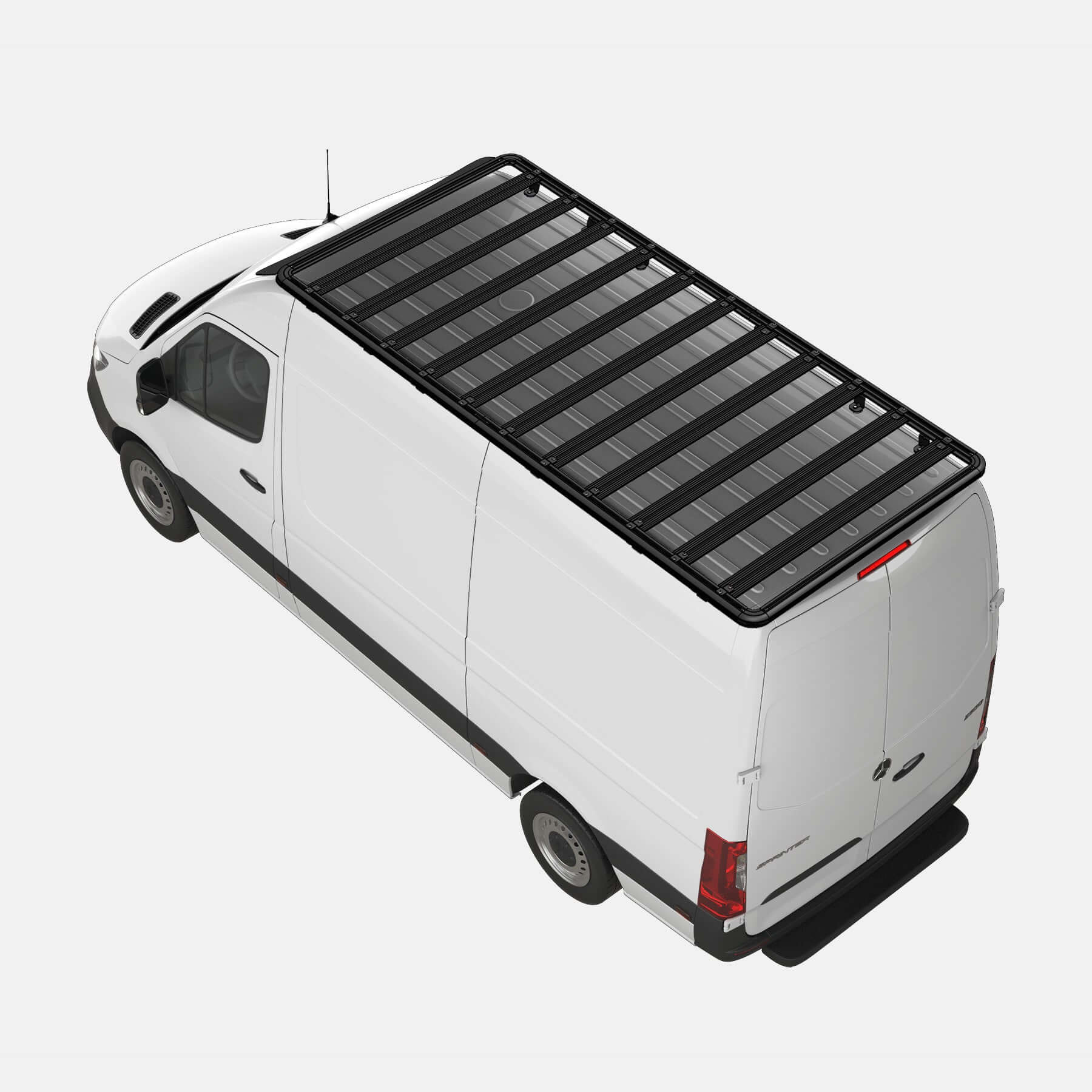
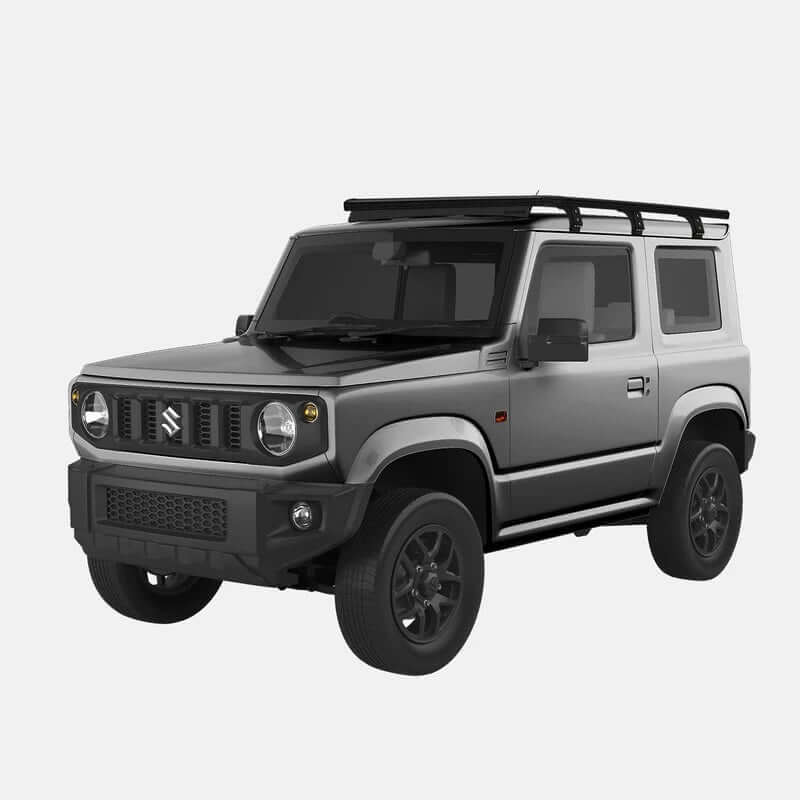
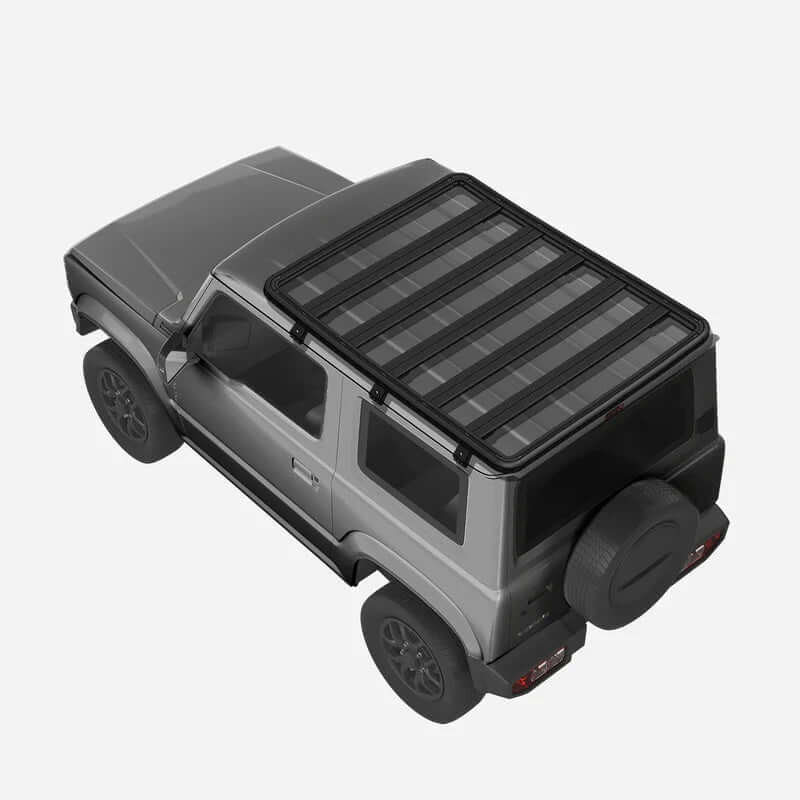
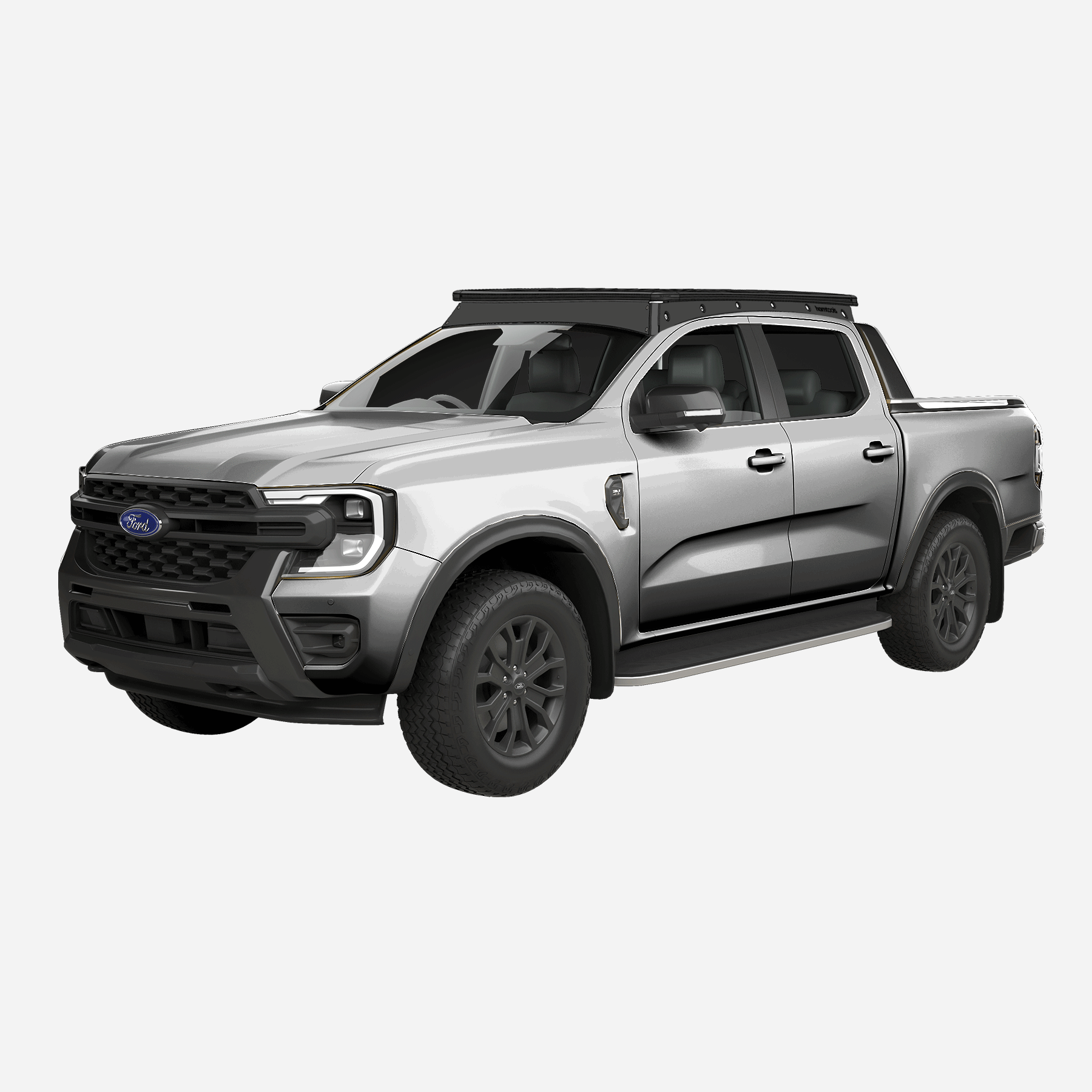
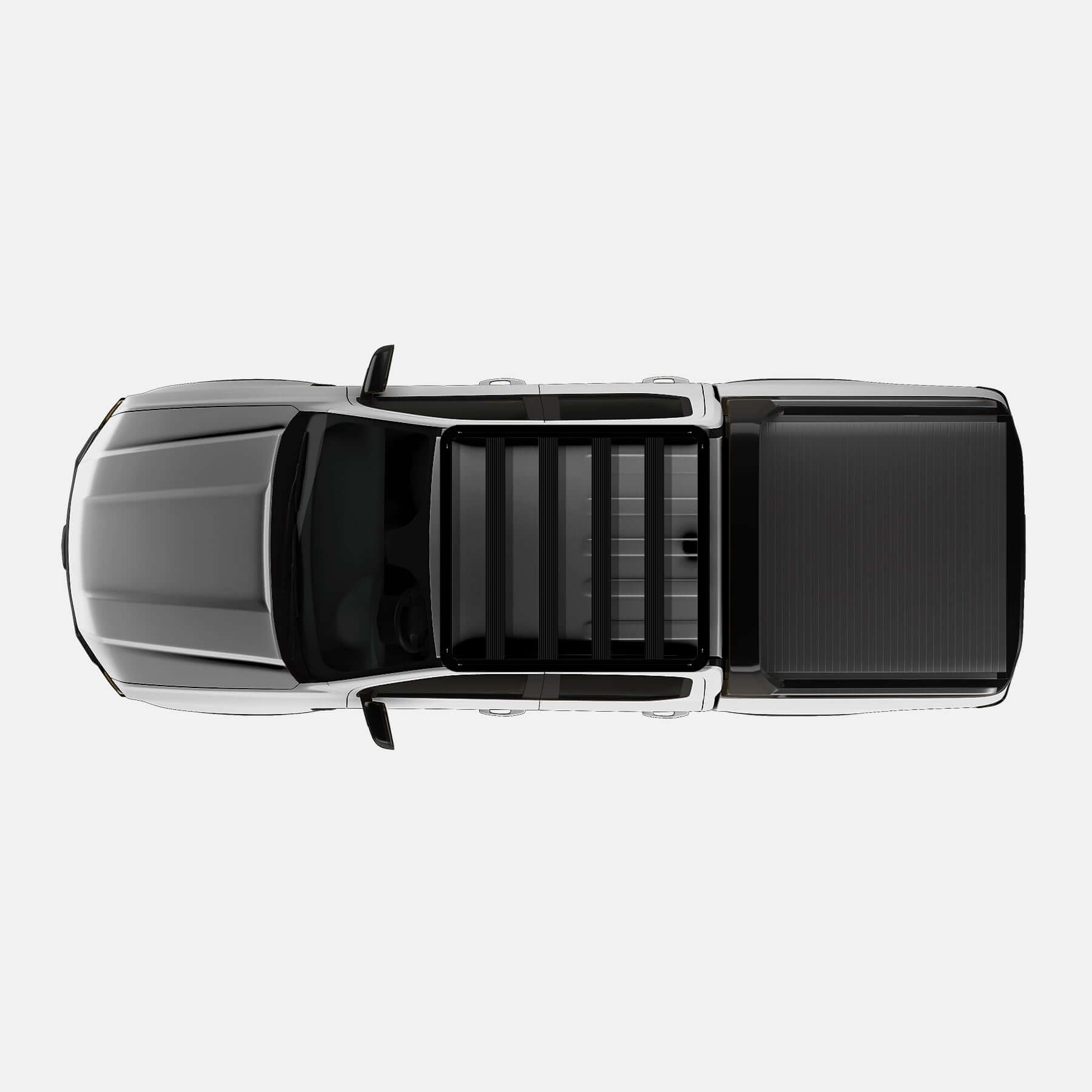
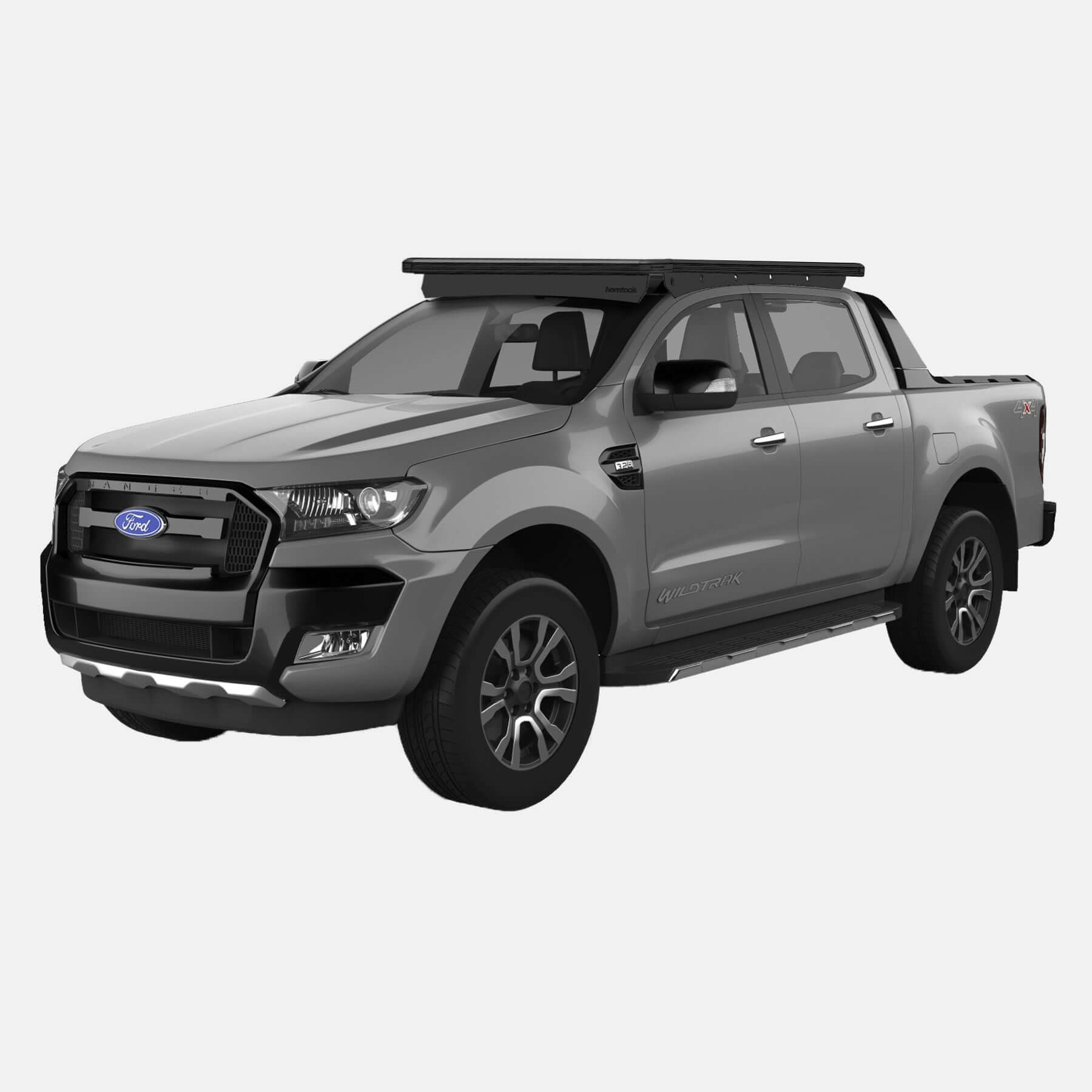
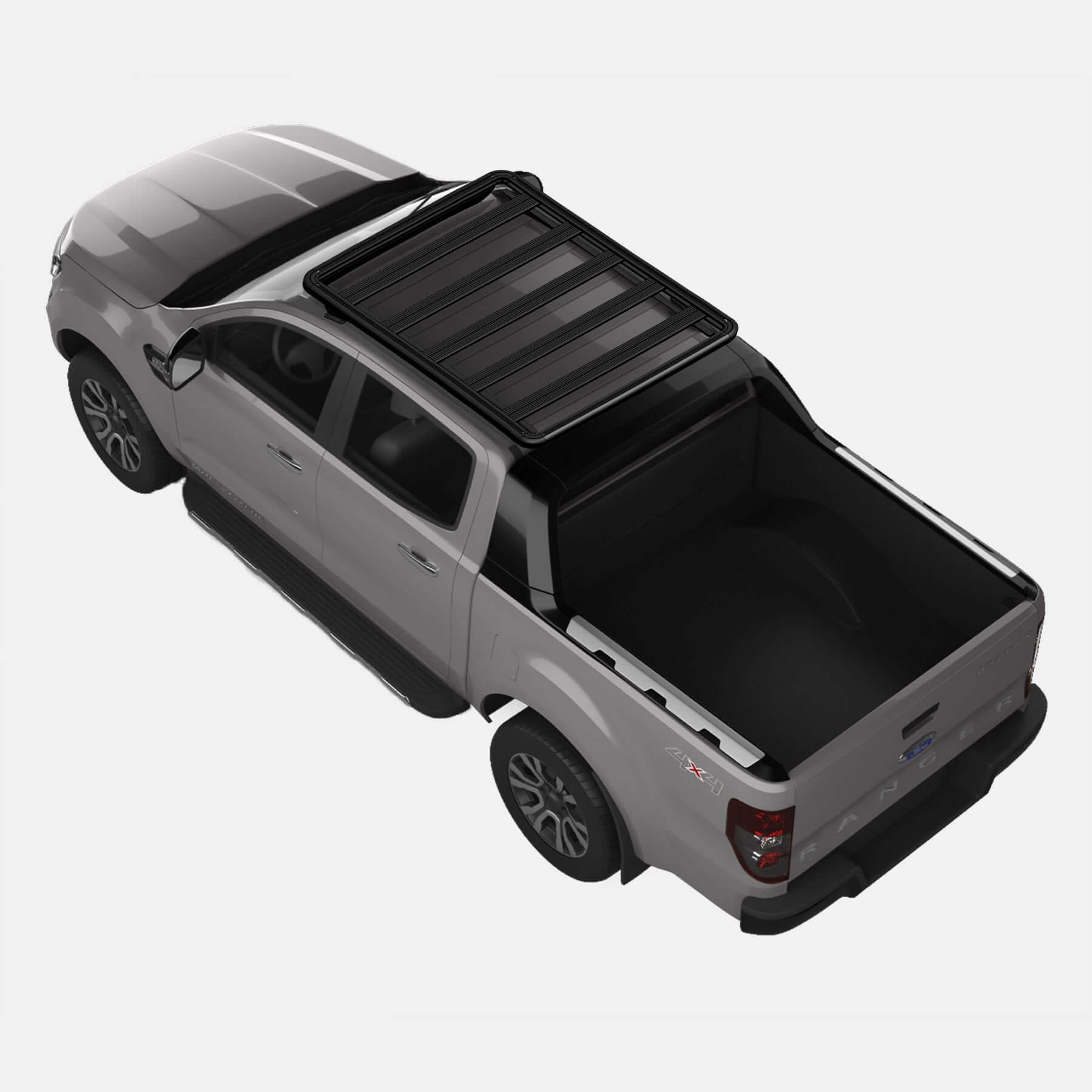


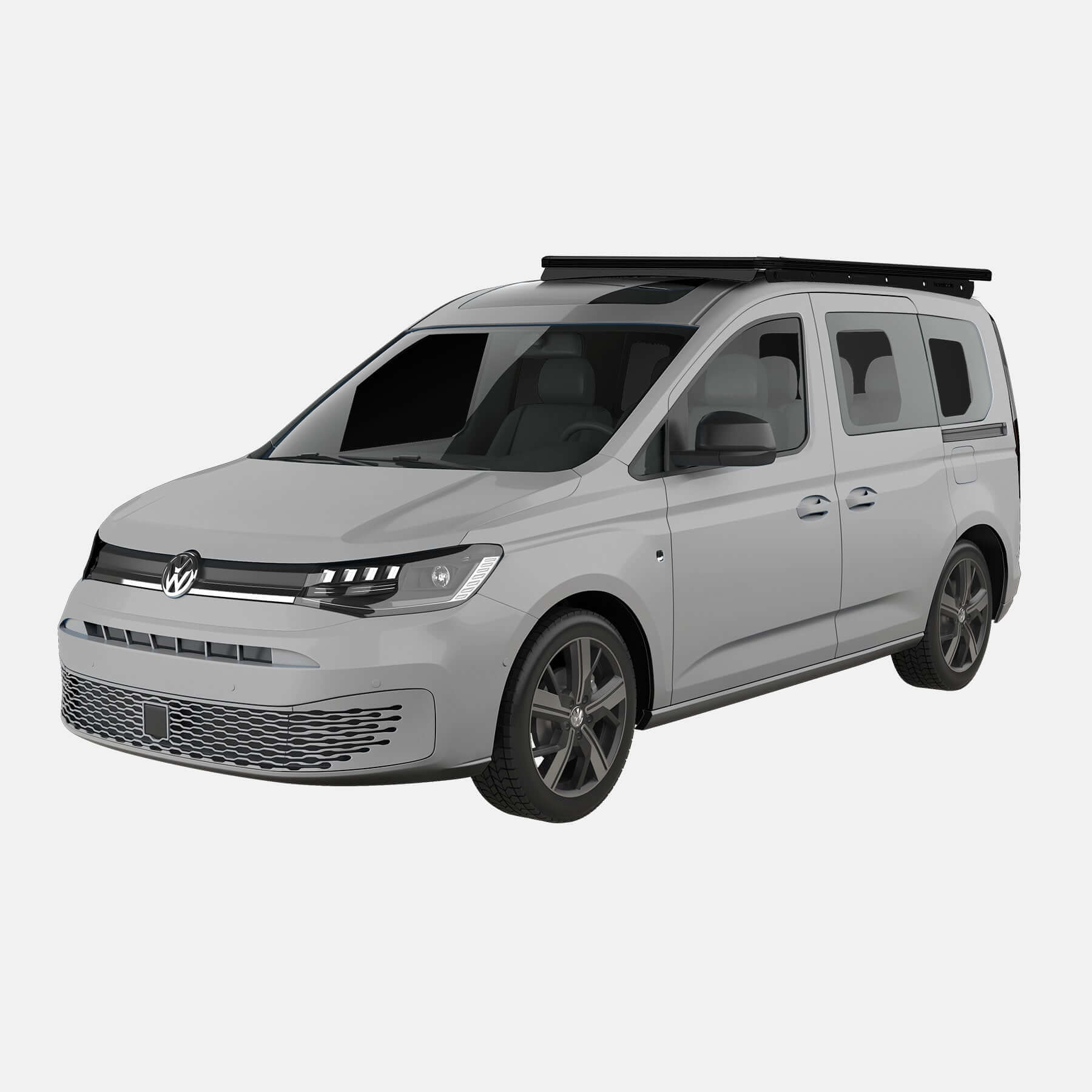
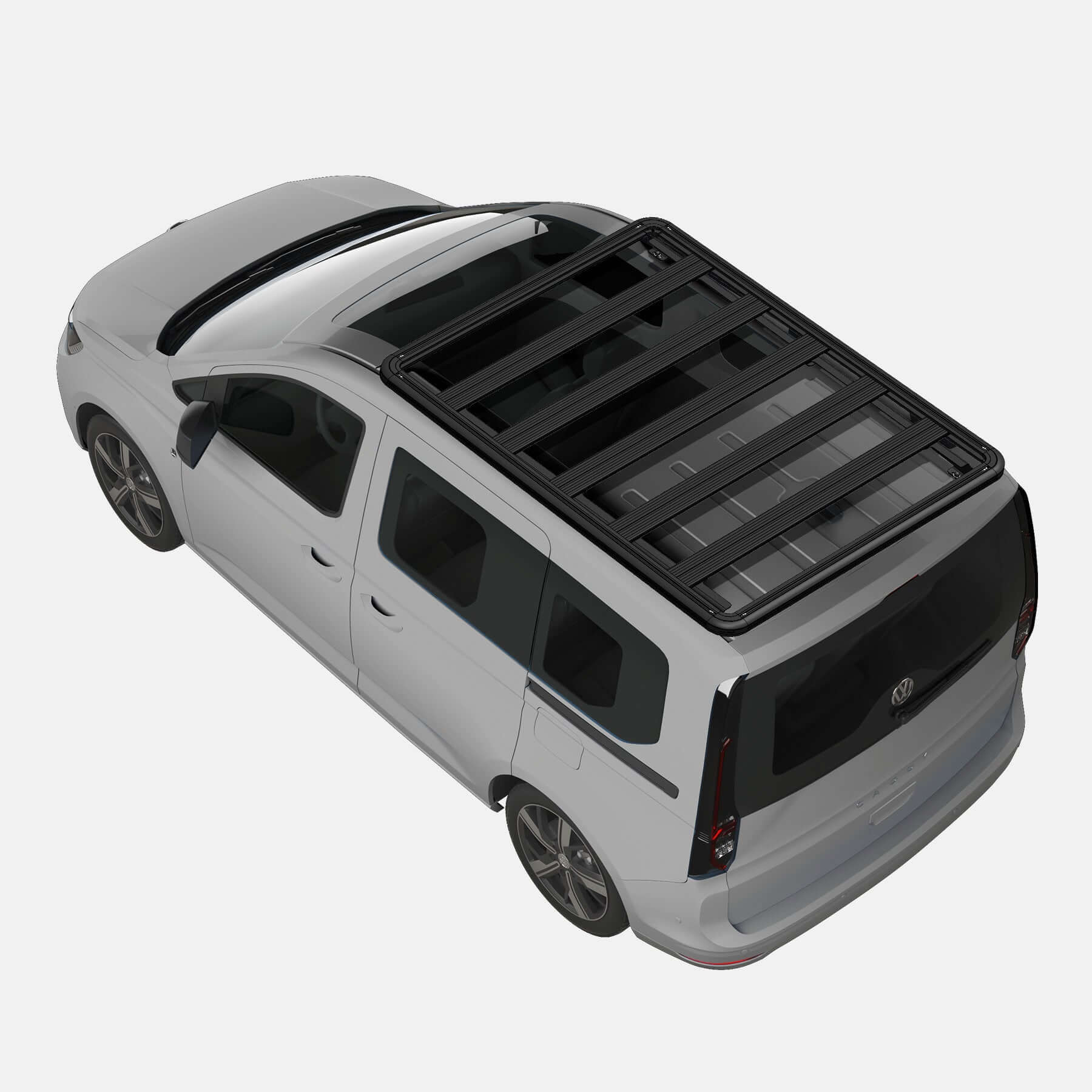
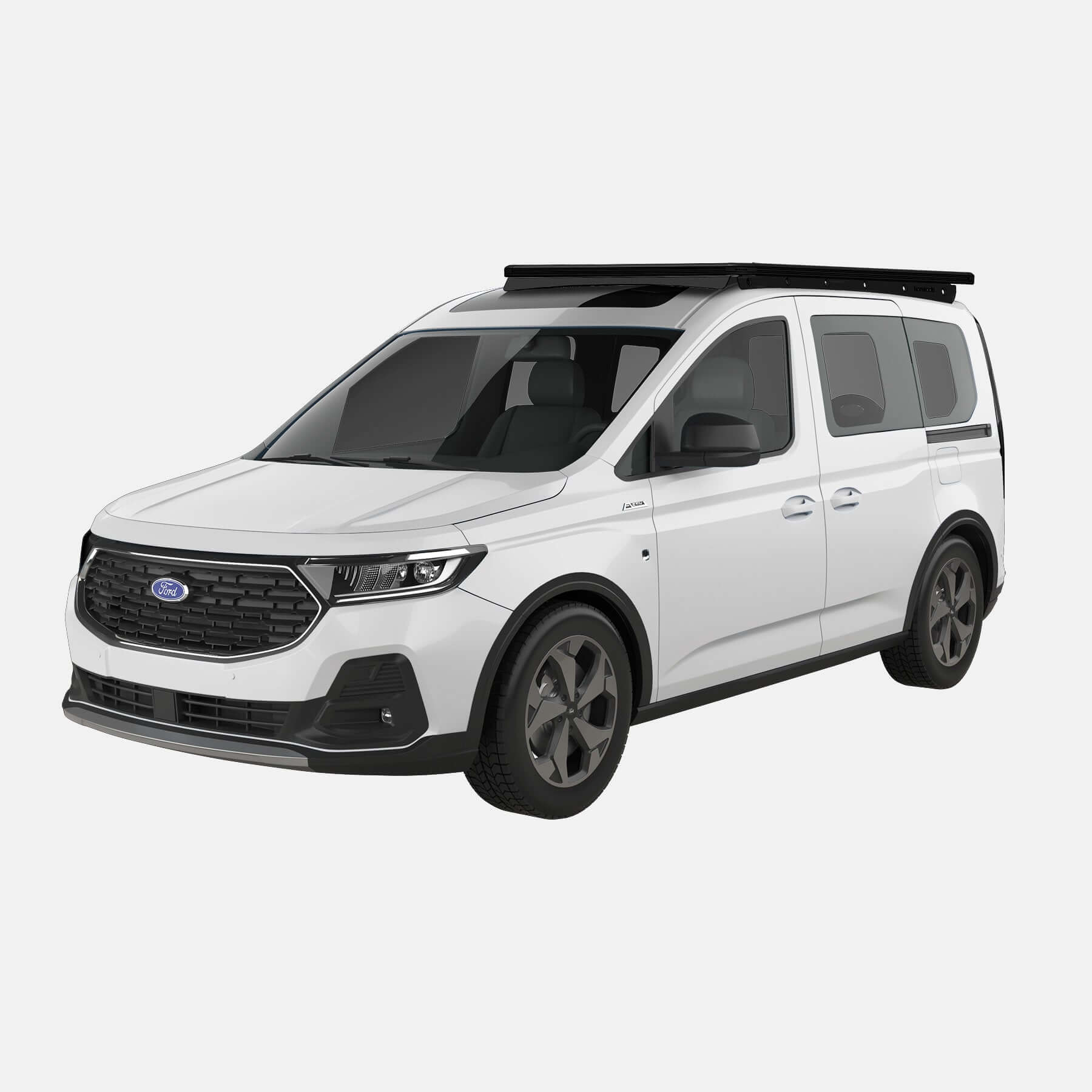
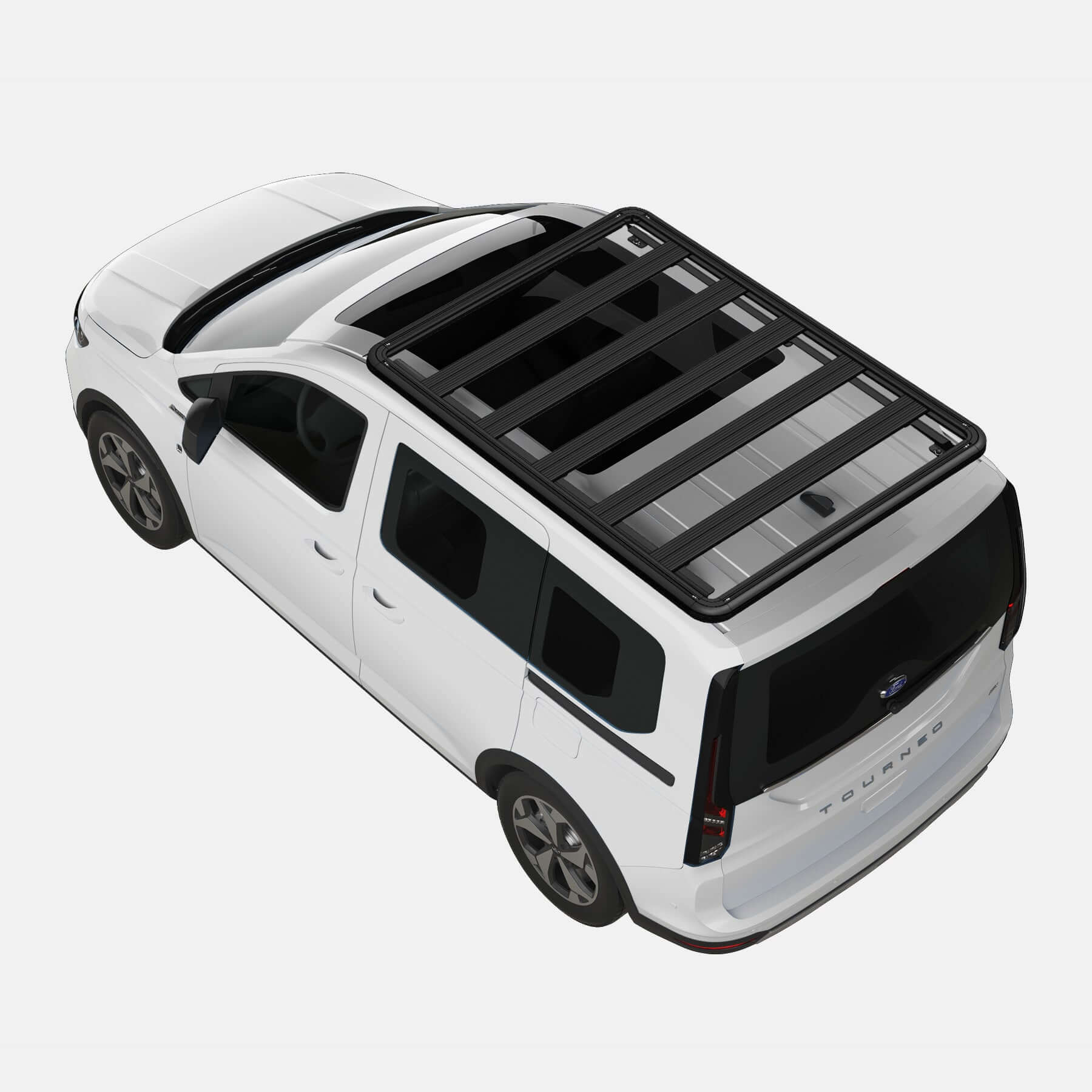
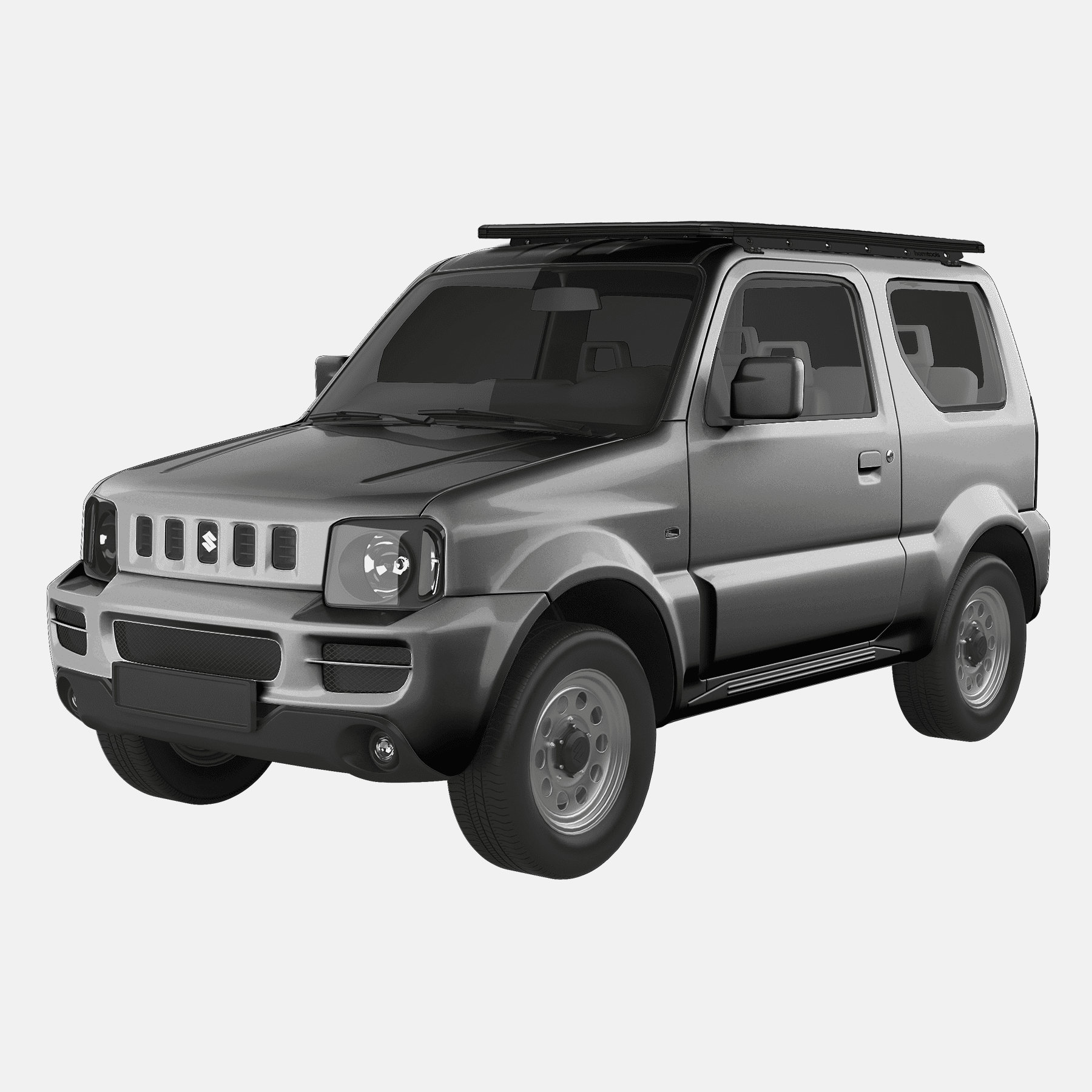
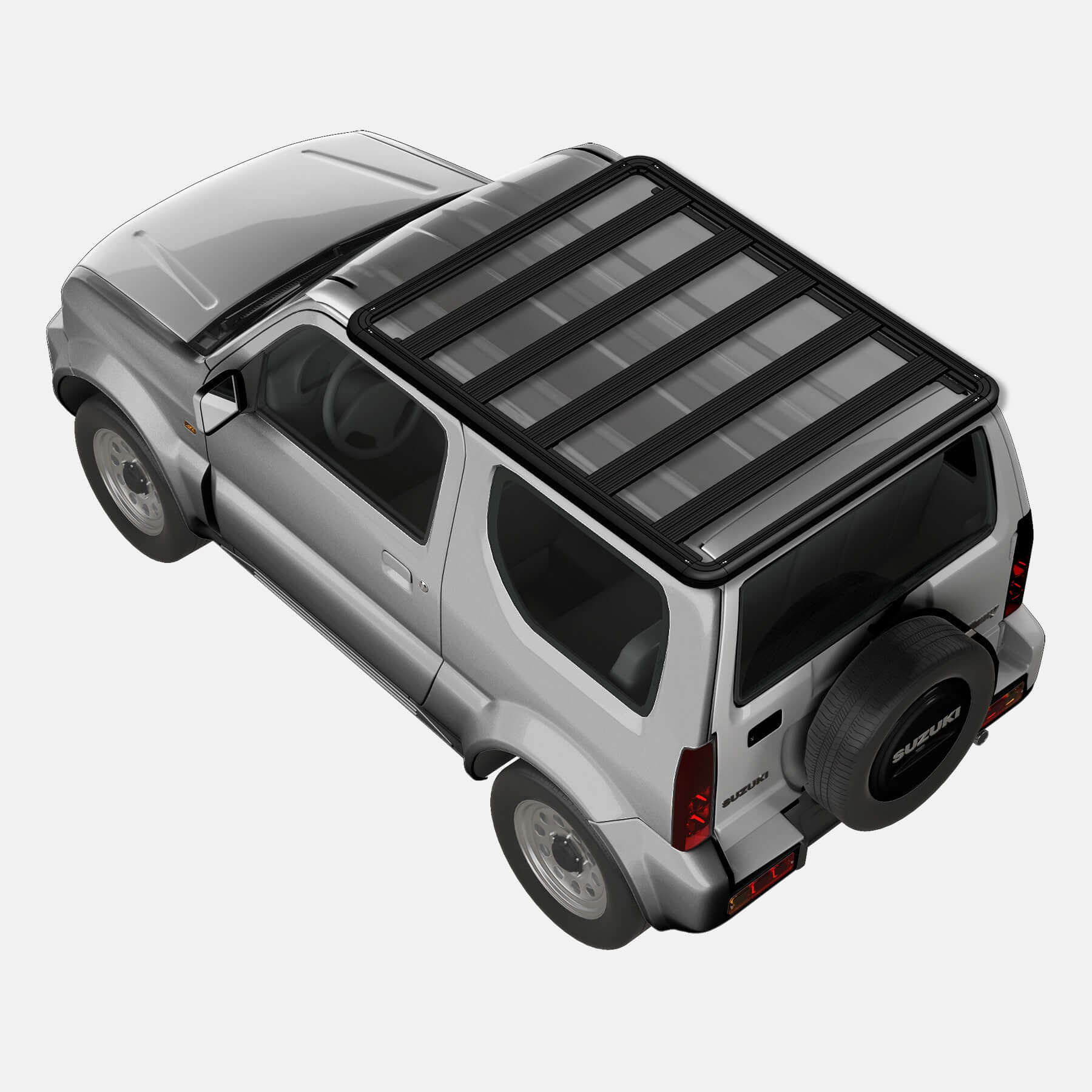
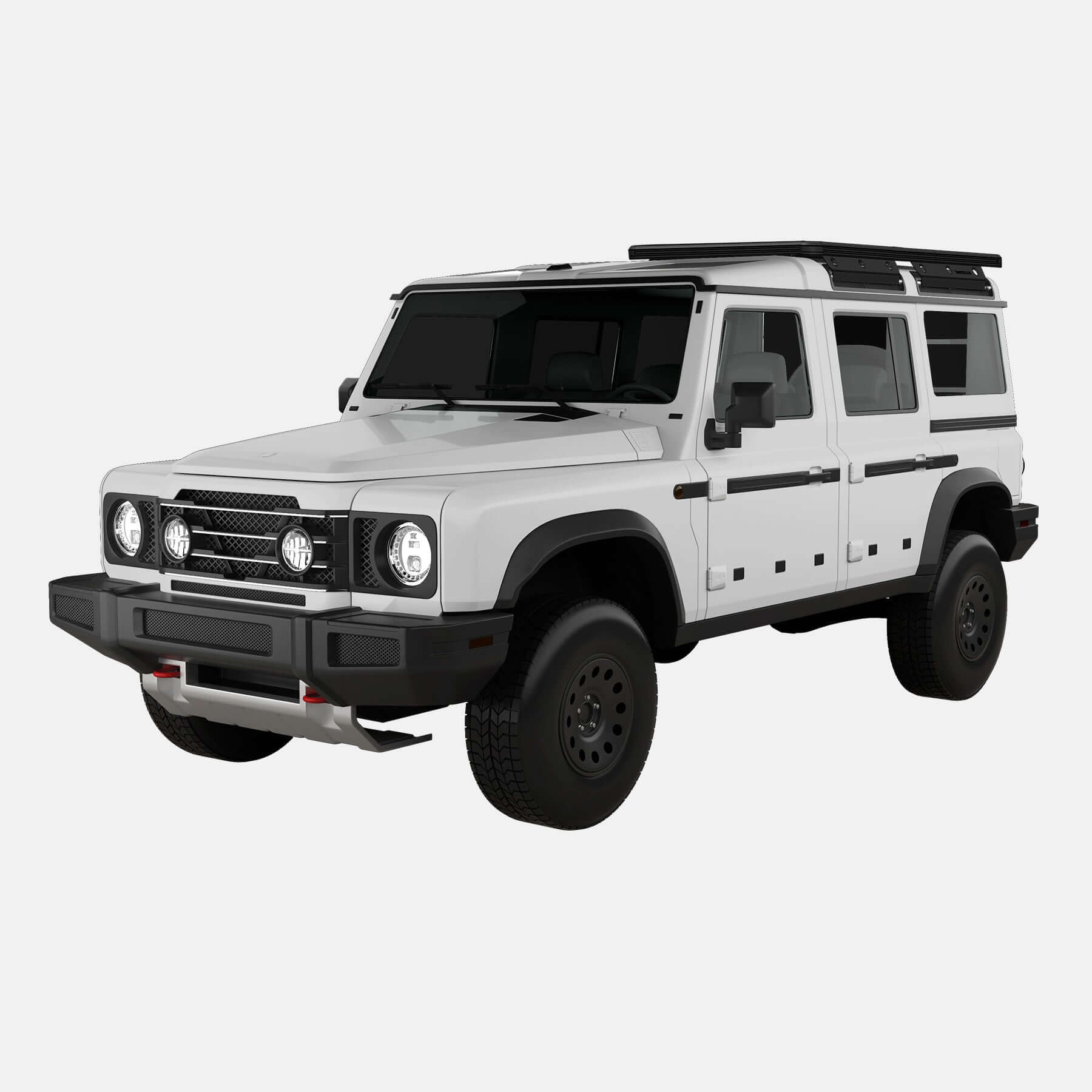
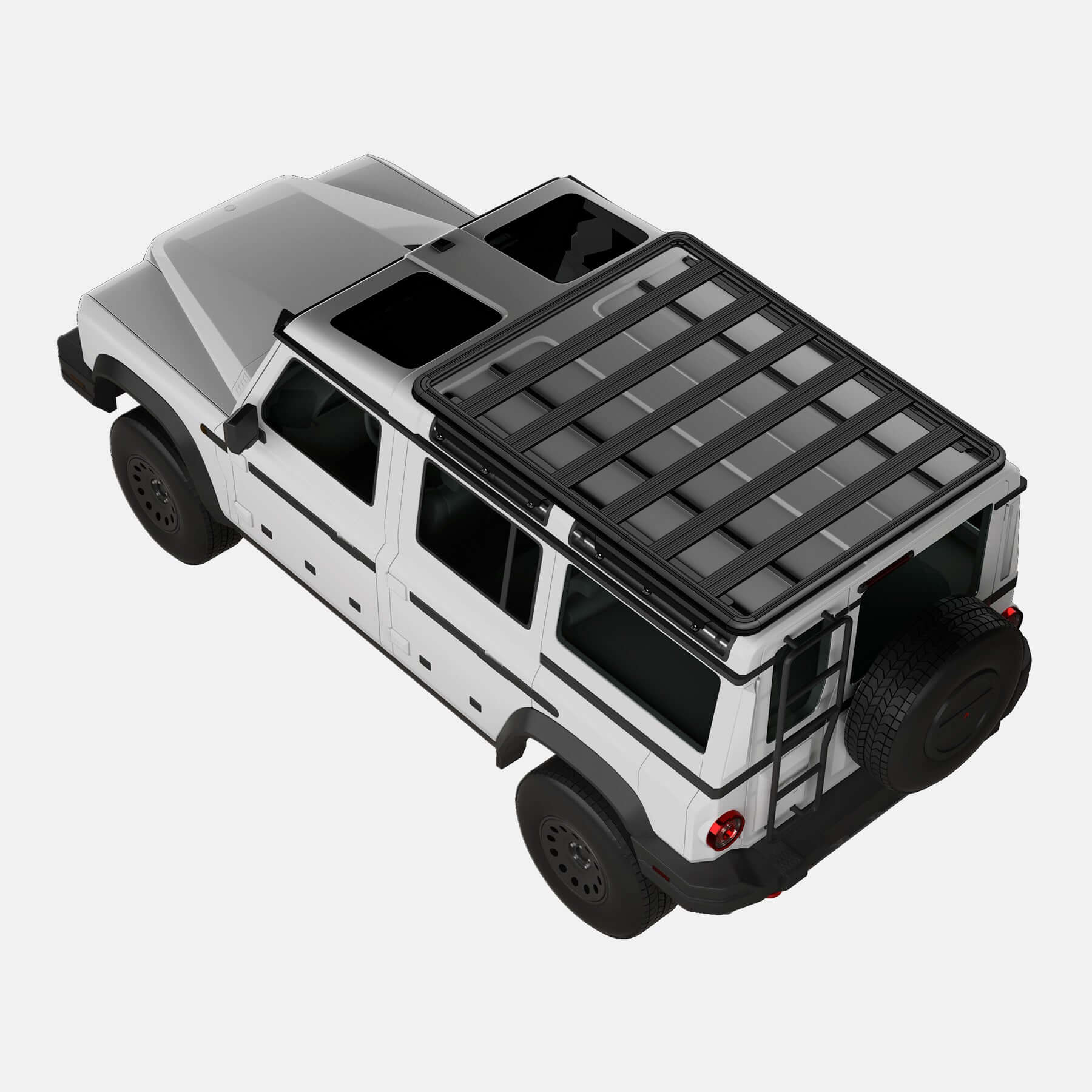
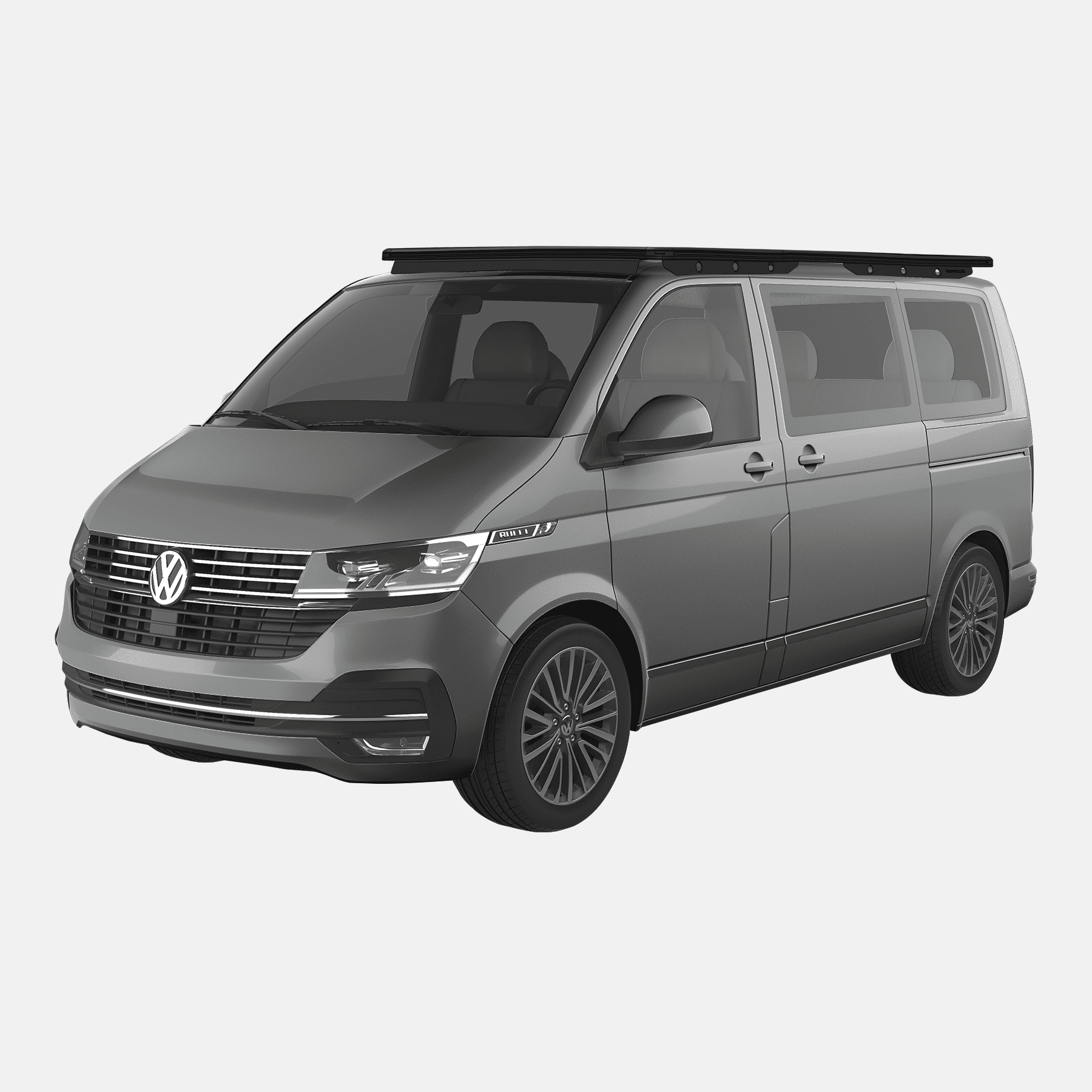
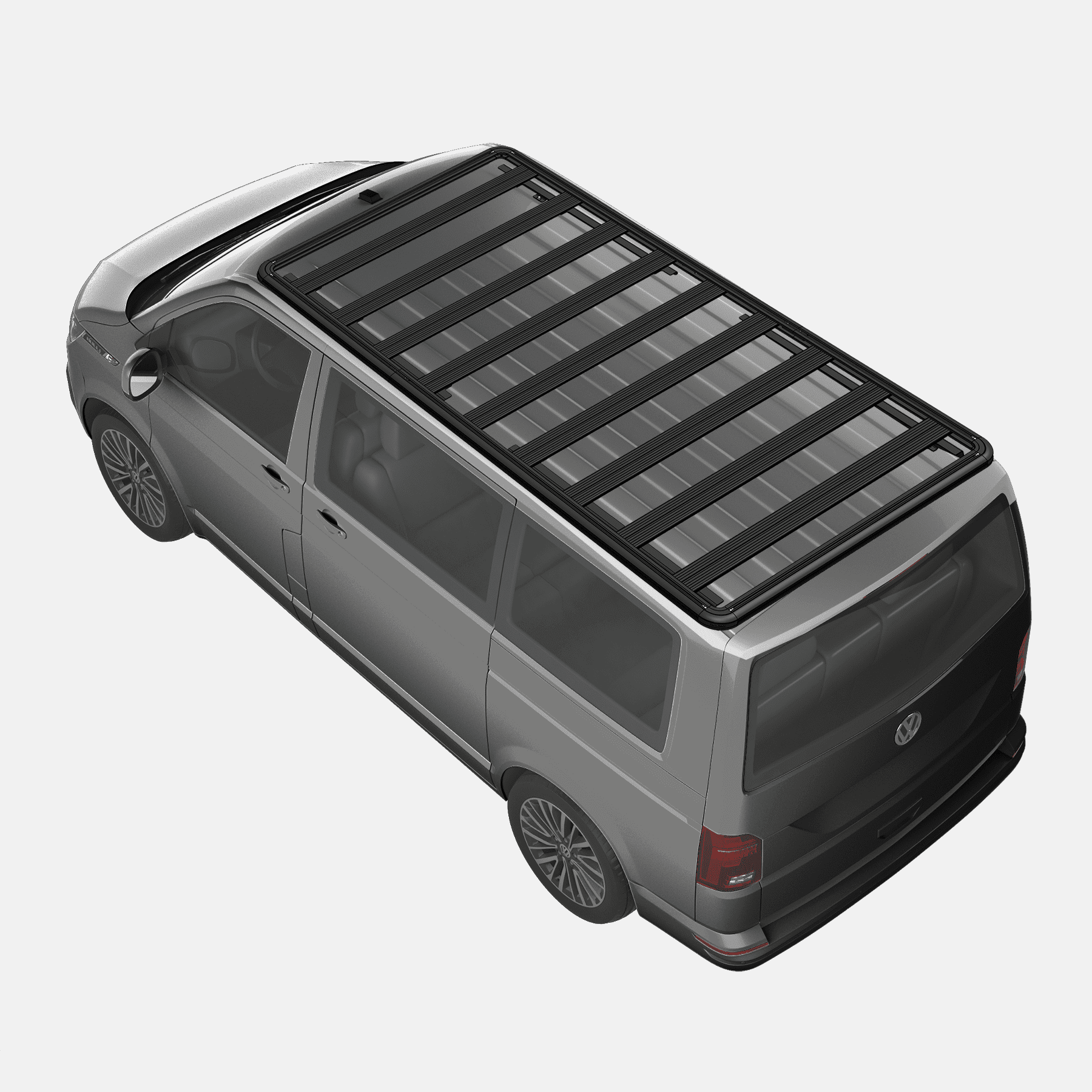
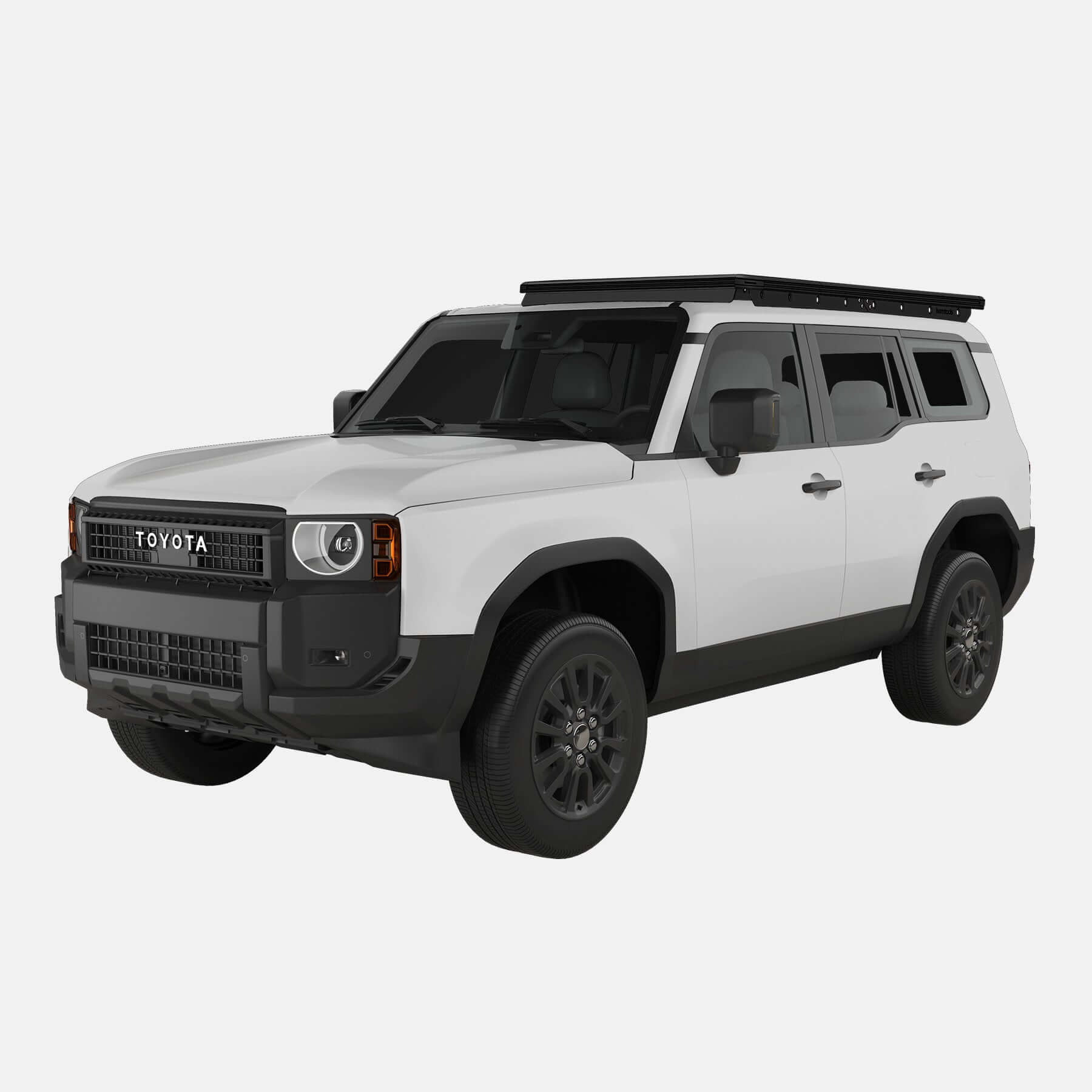
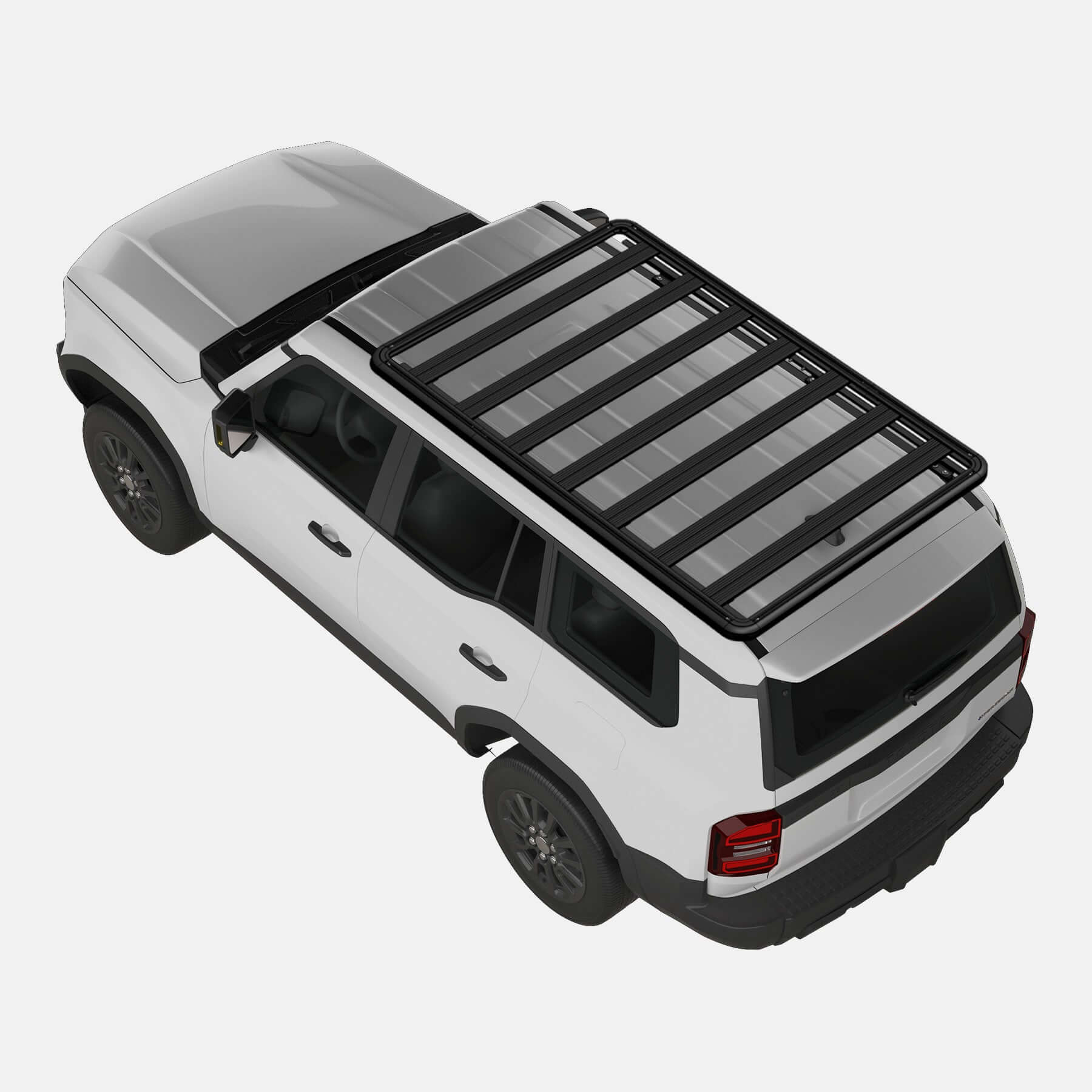
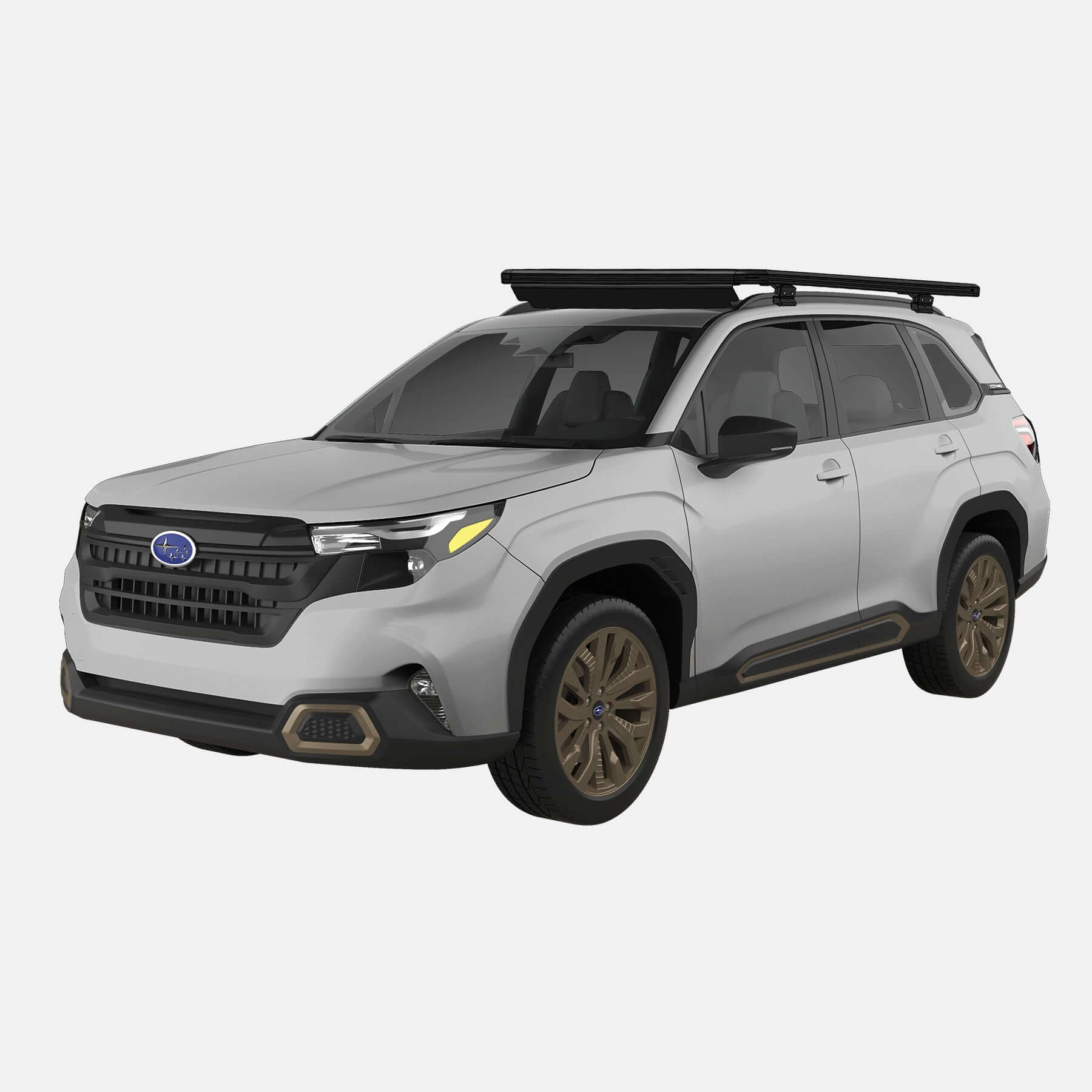
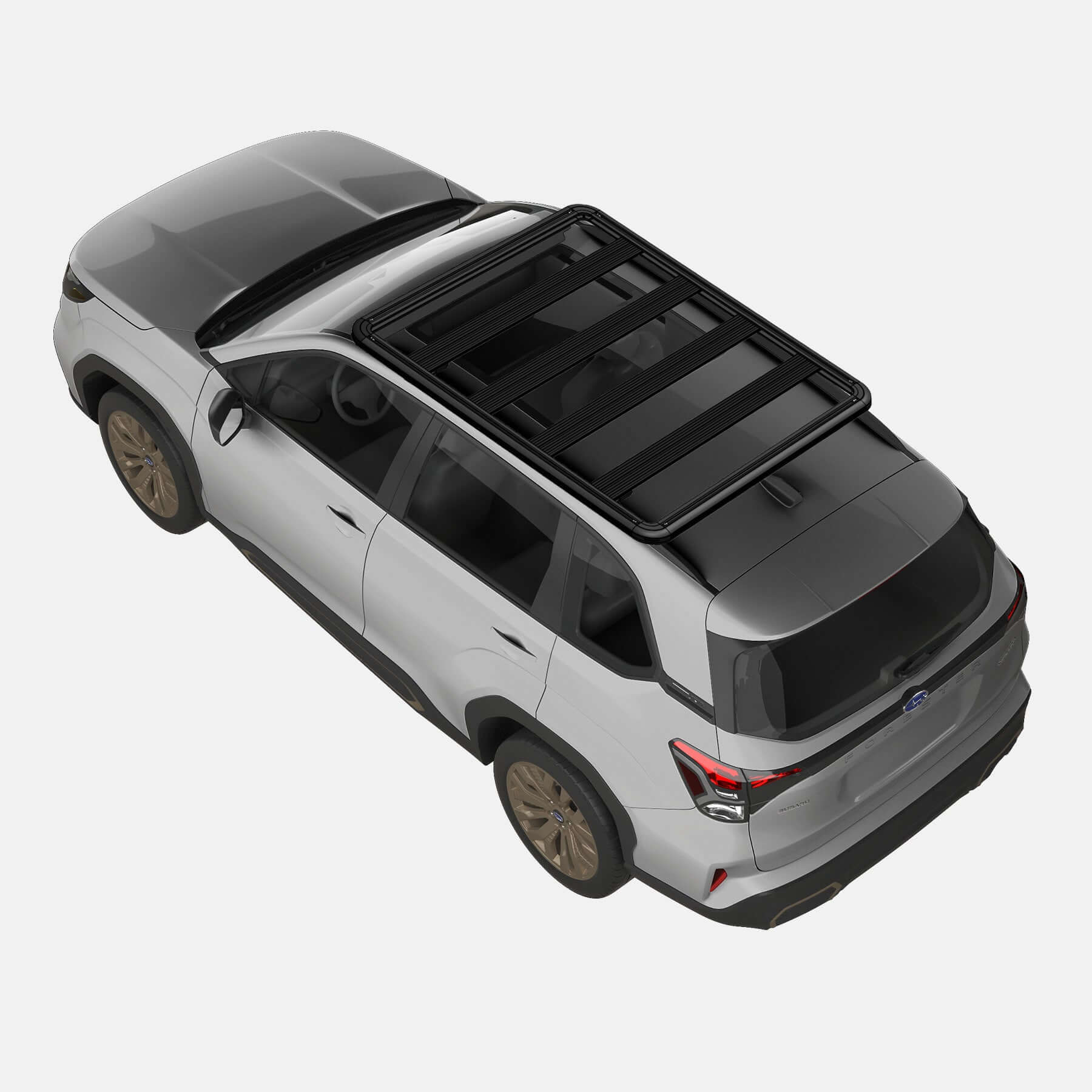
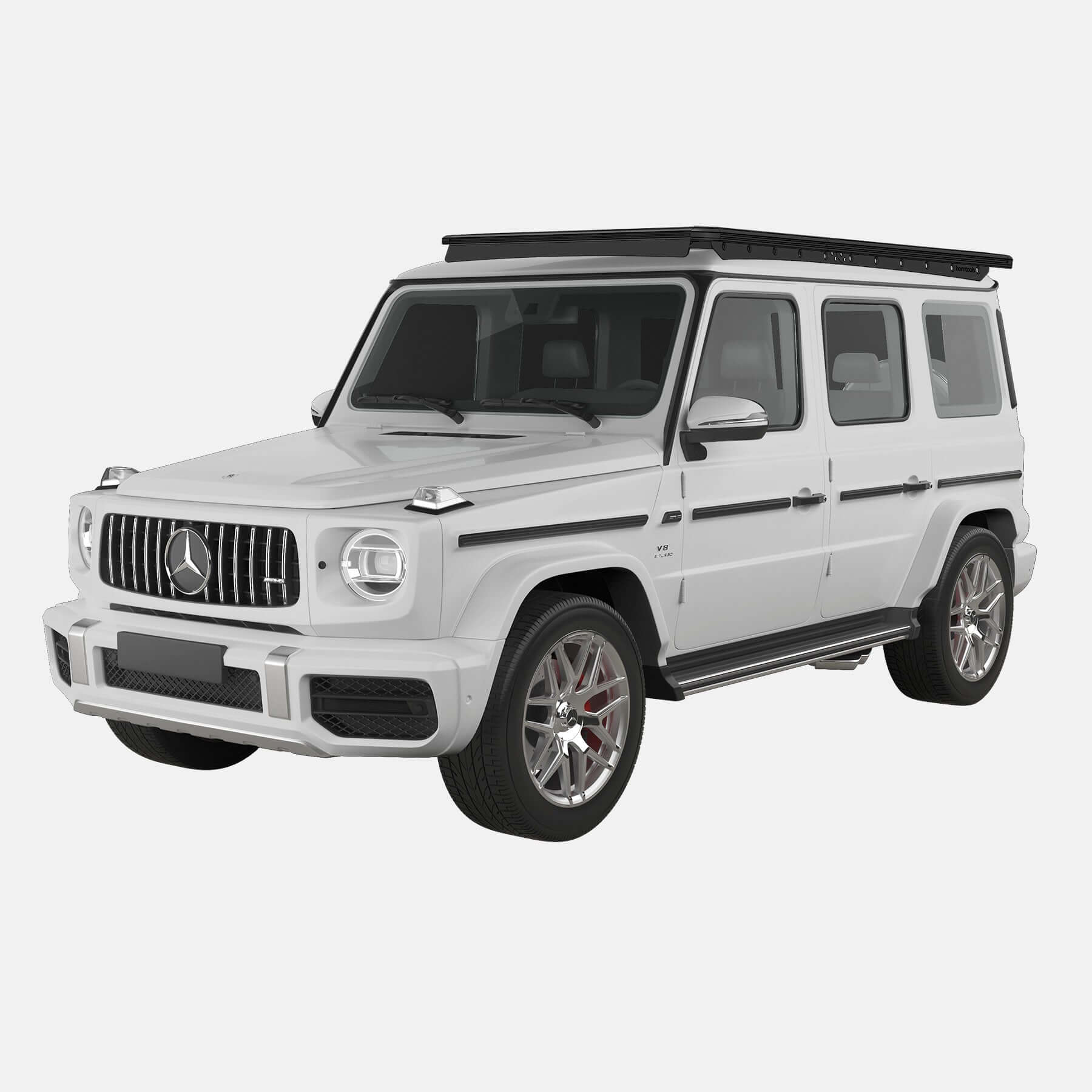
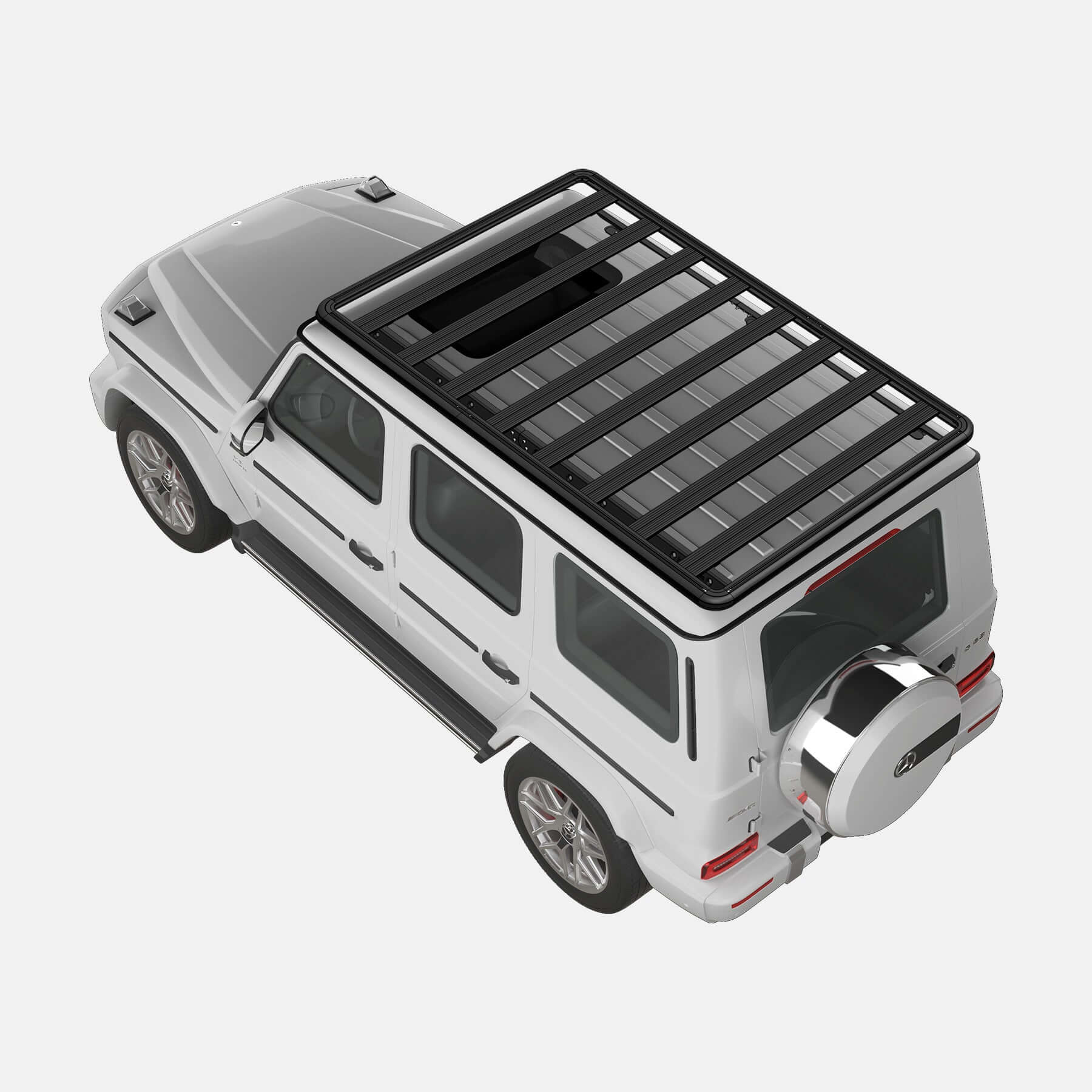
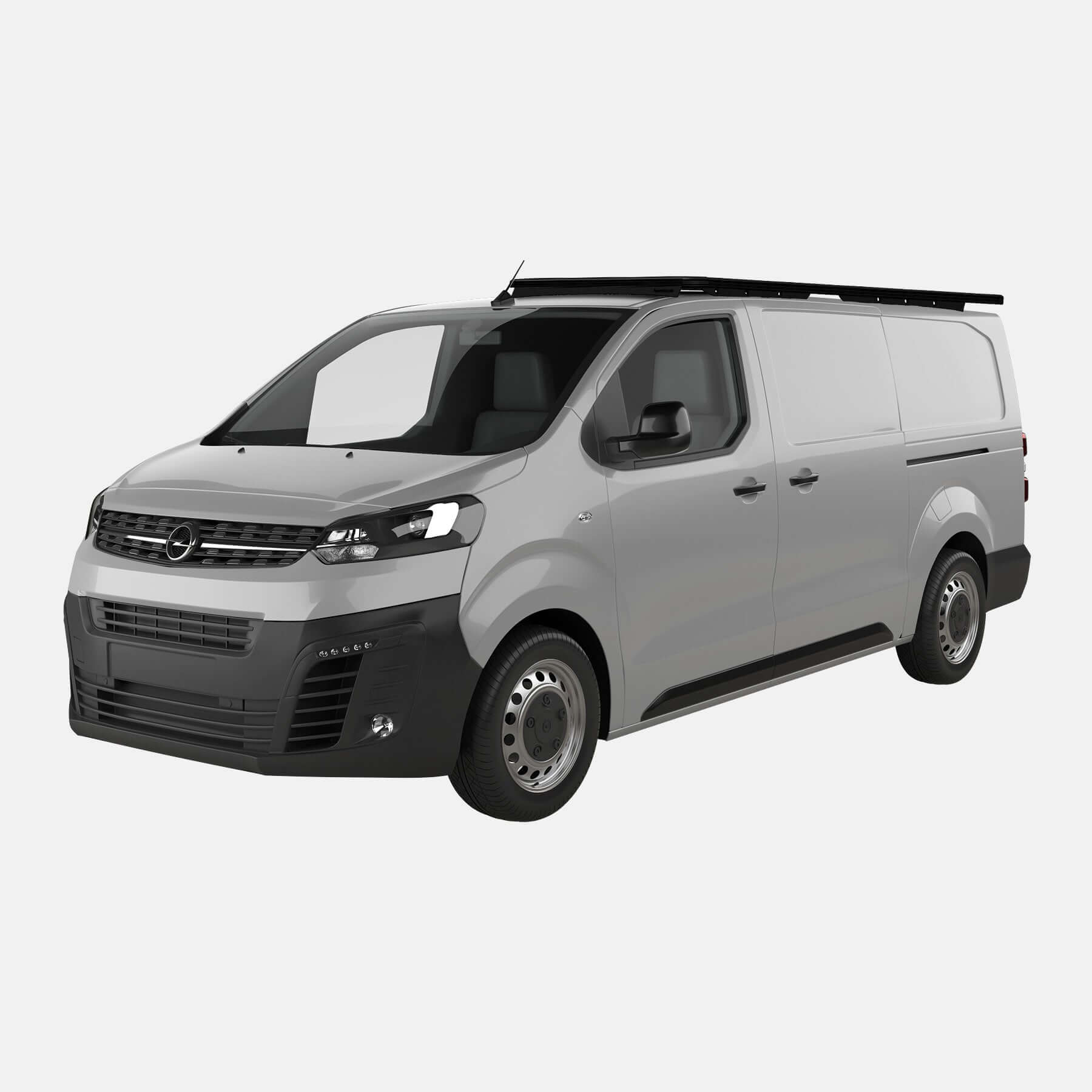
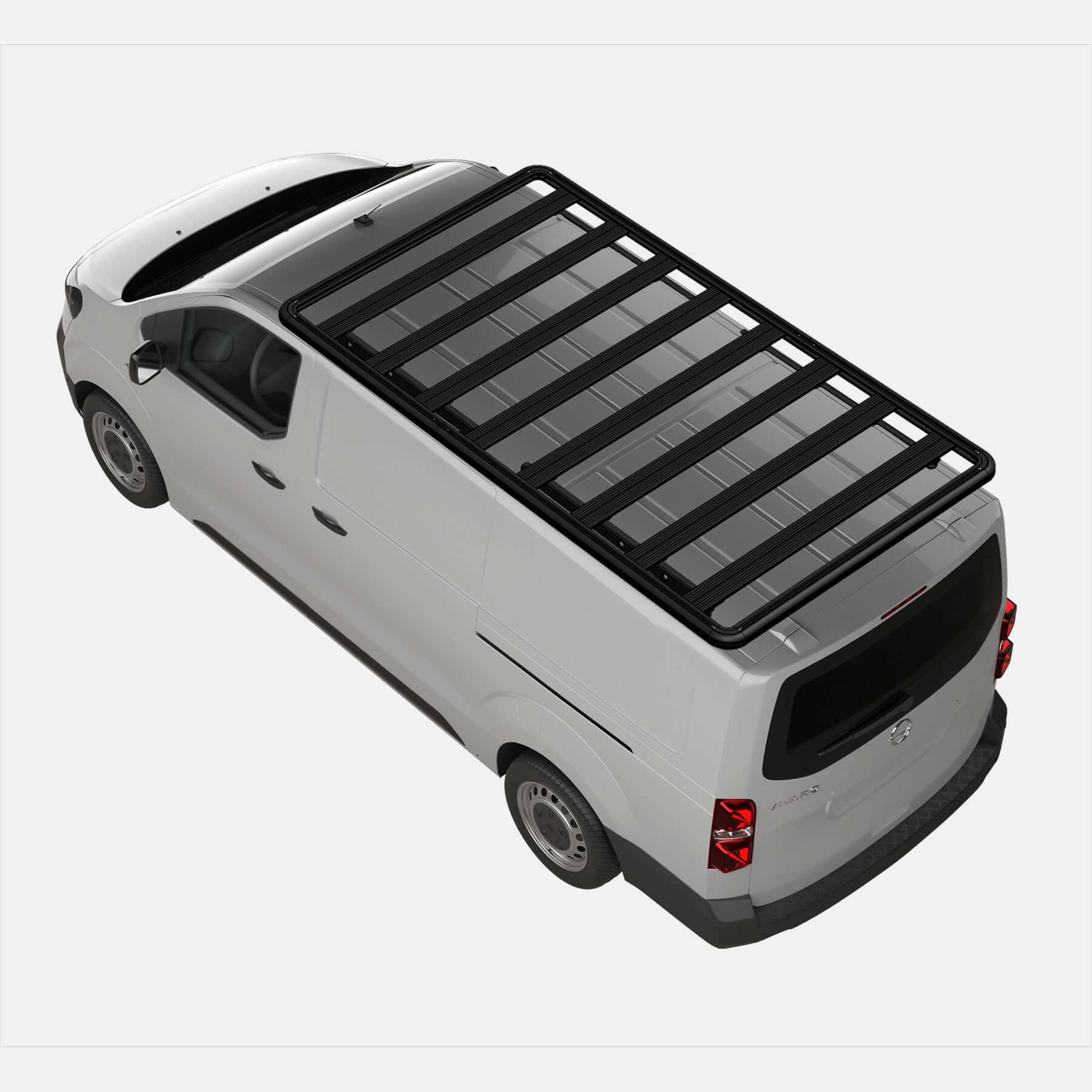
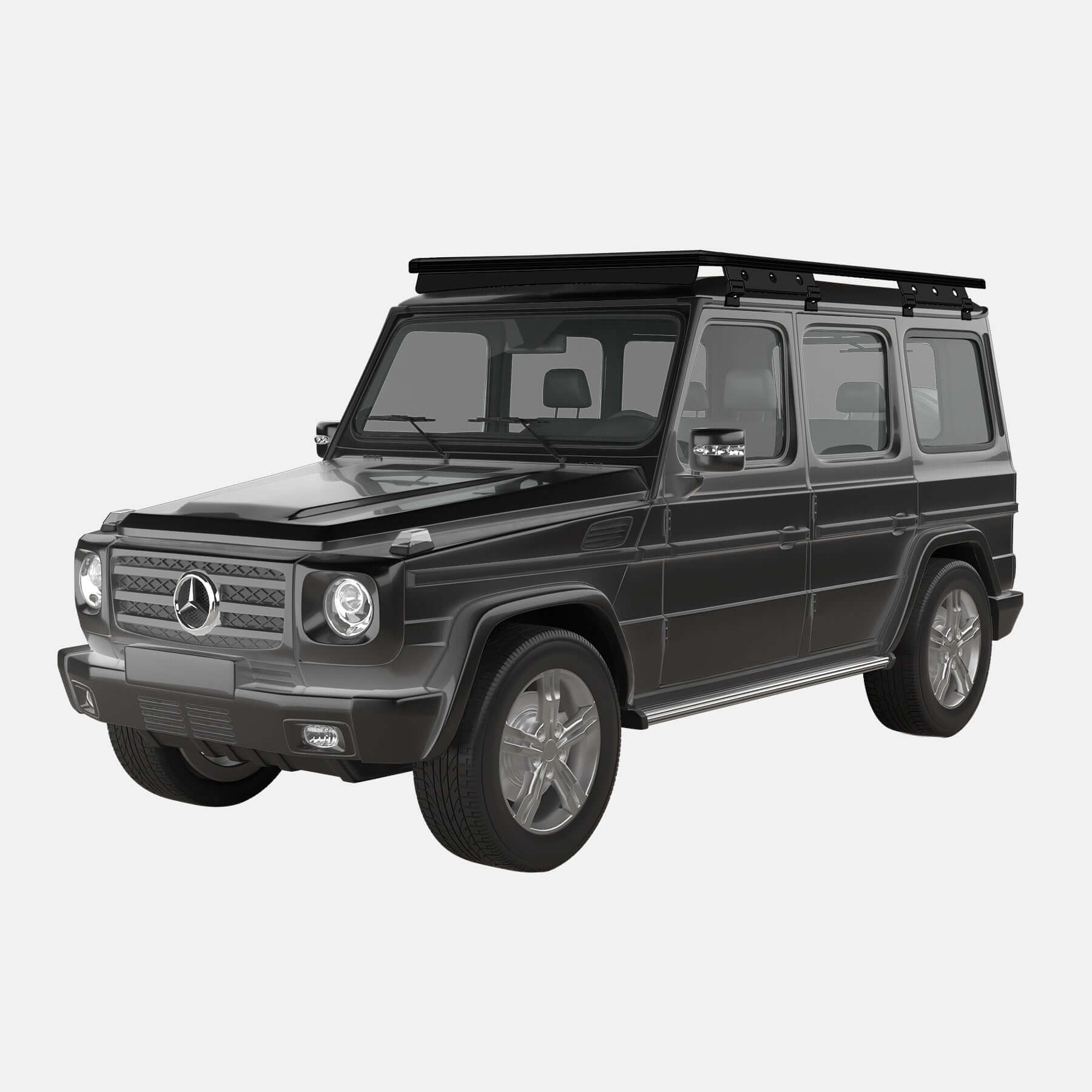
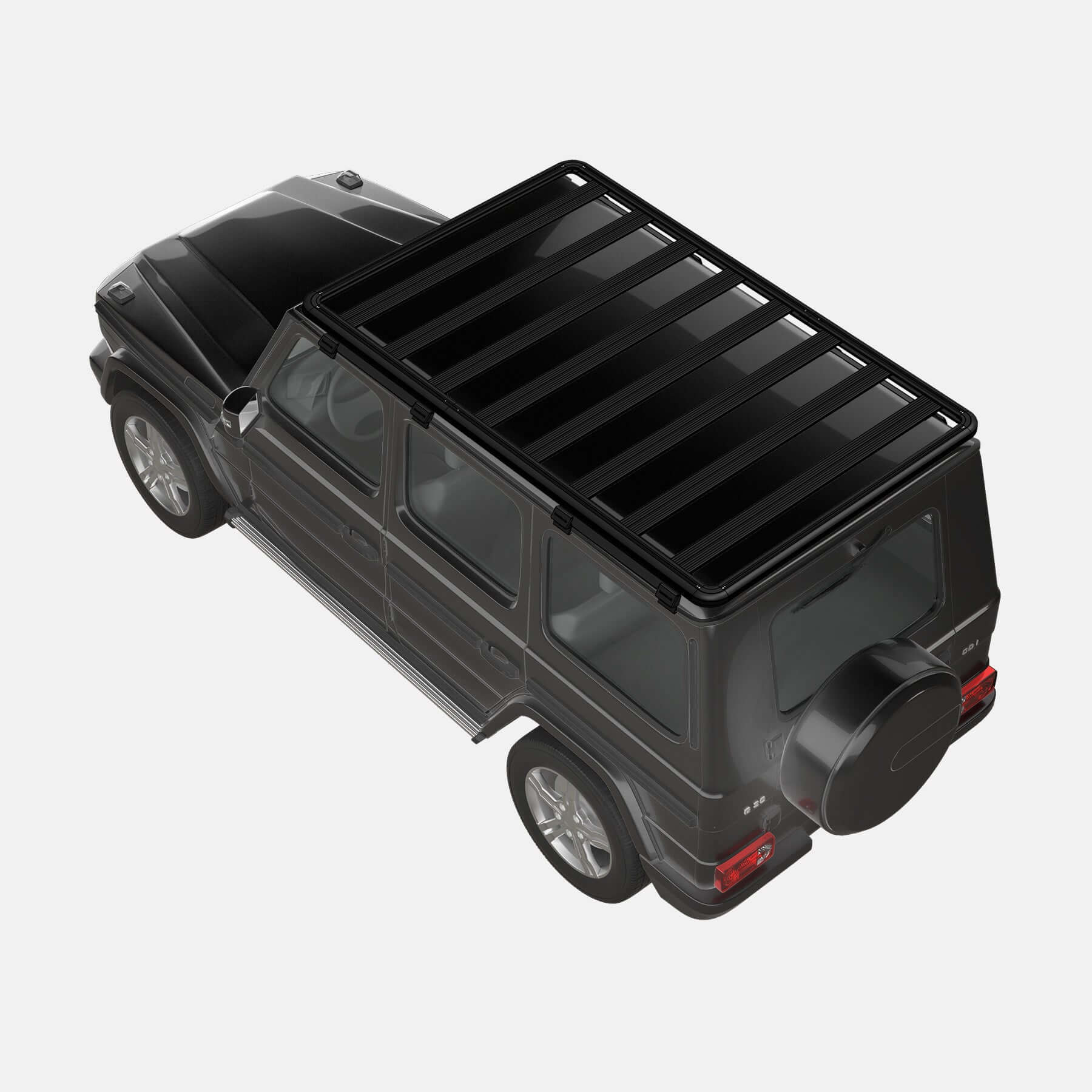
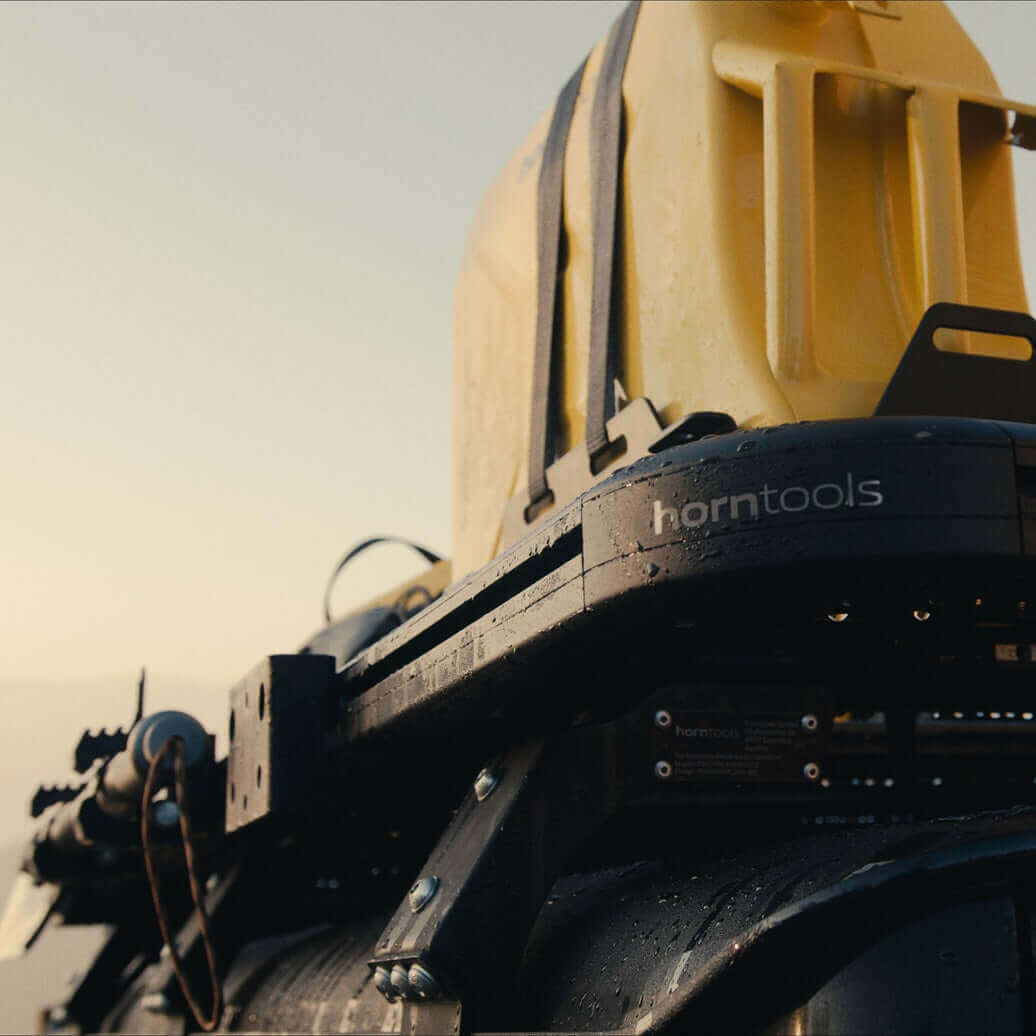
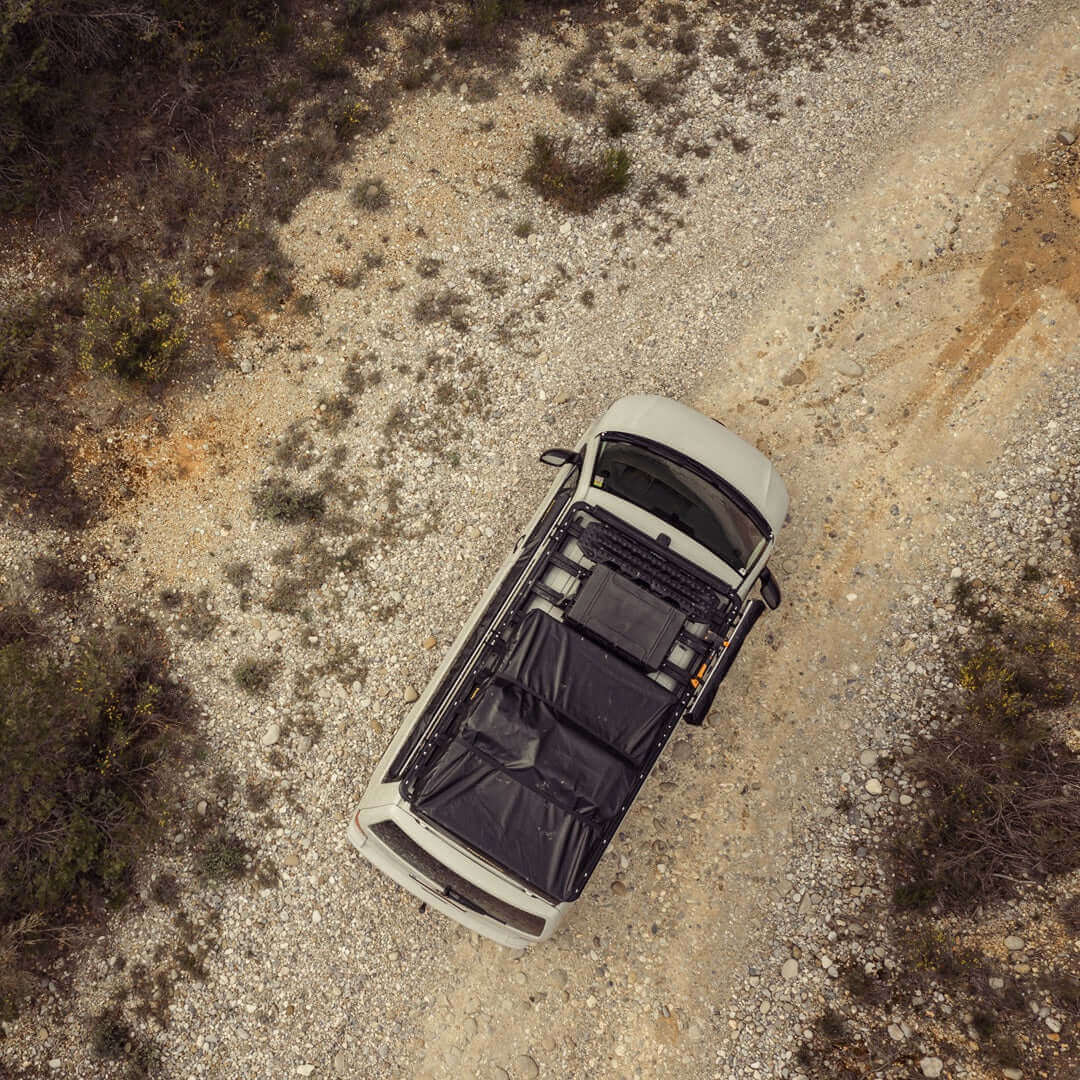
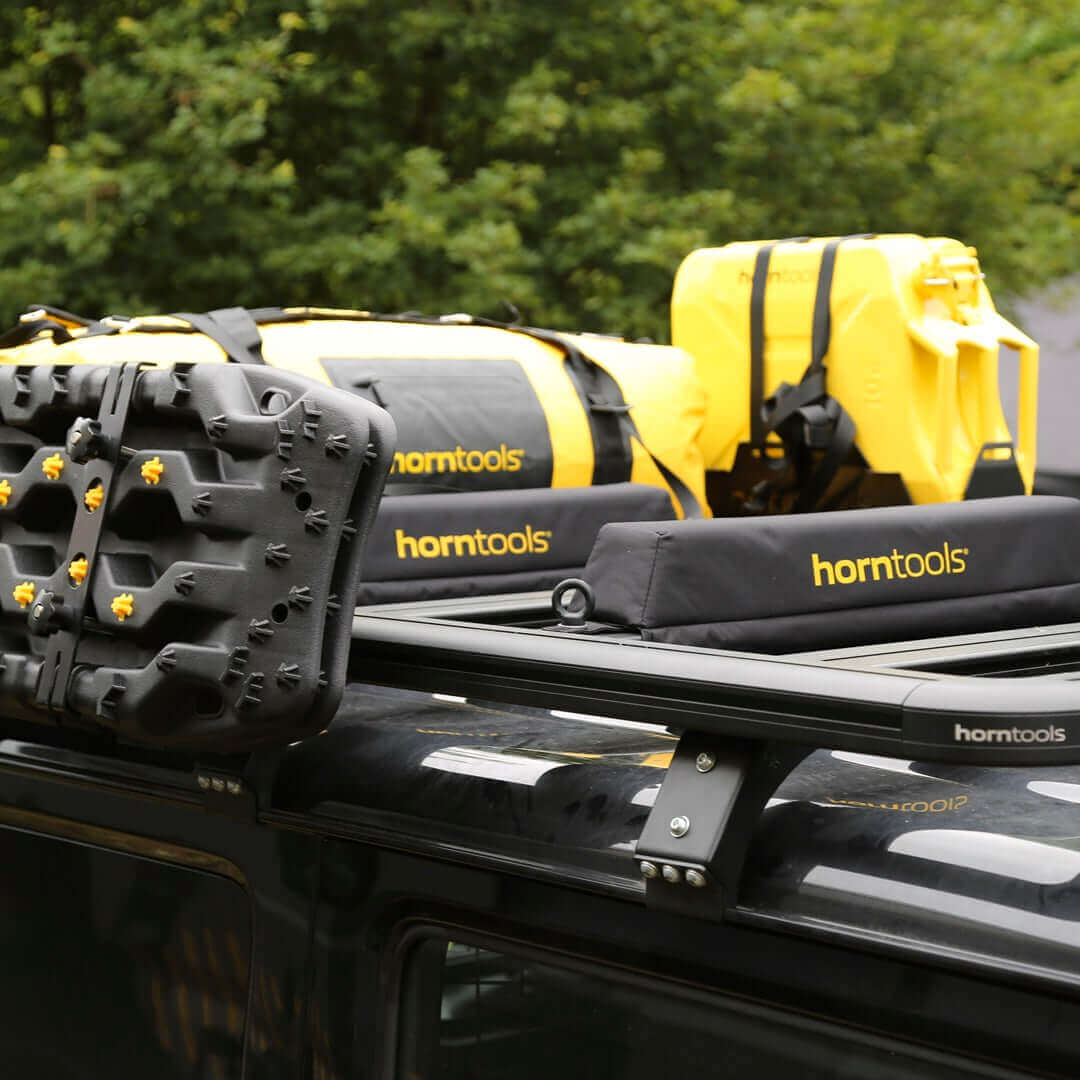
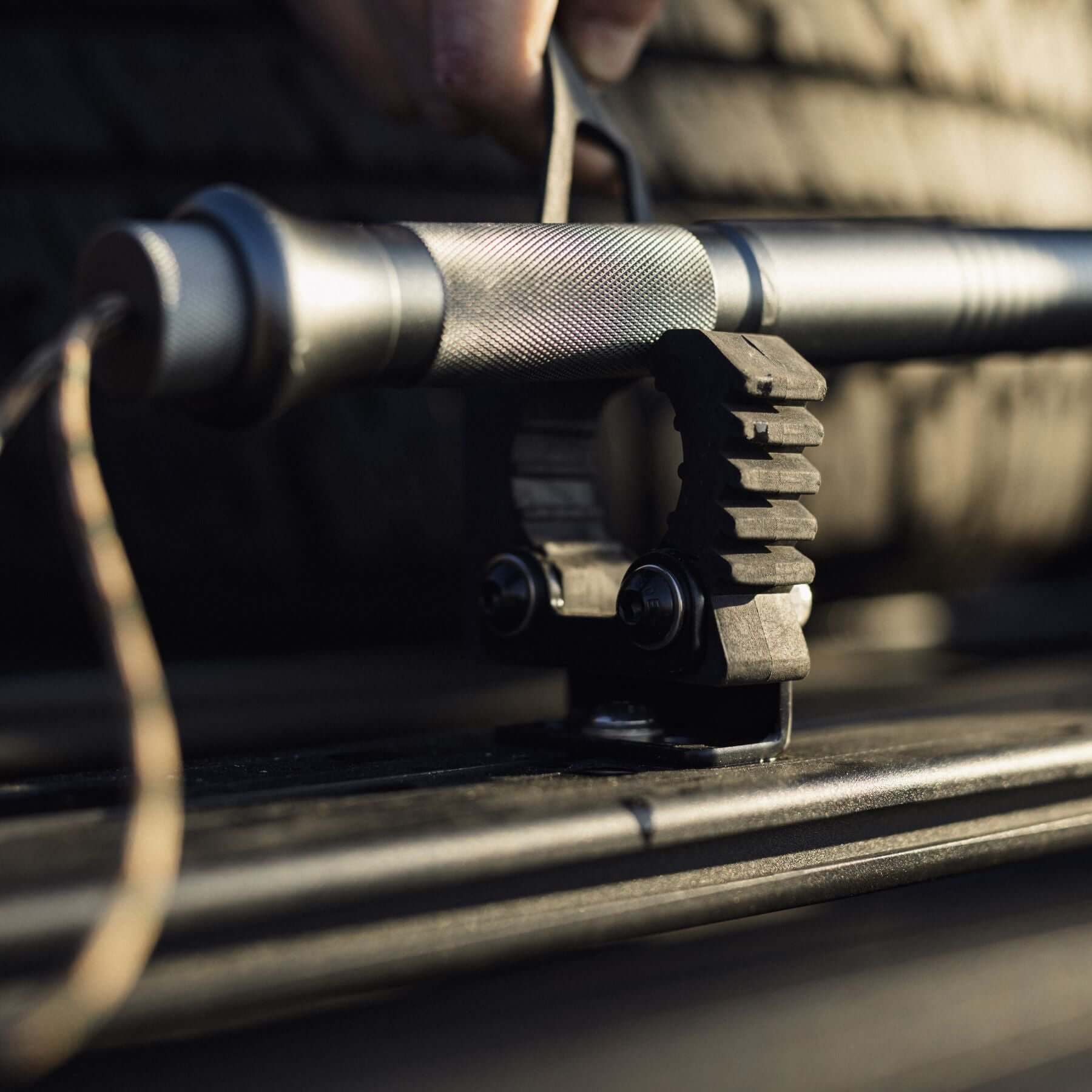


horntools roof racks stand for high quality, robust materials and well-thought-out functionality. The stable construction and modular design allow the safe transport of roof tents, cargo boxes and other accessories – both on the road and off-road.

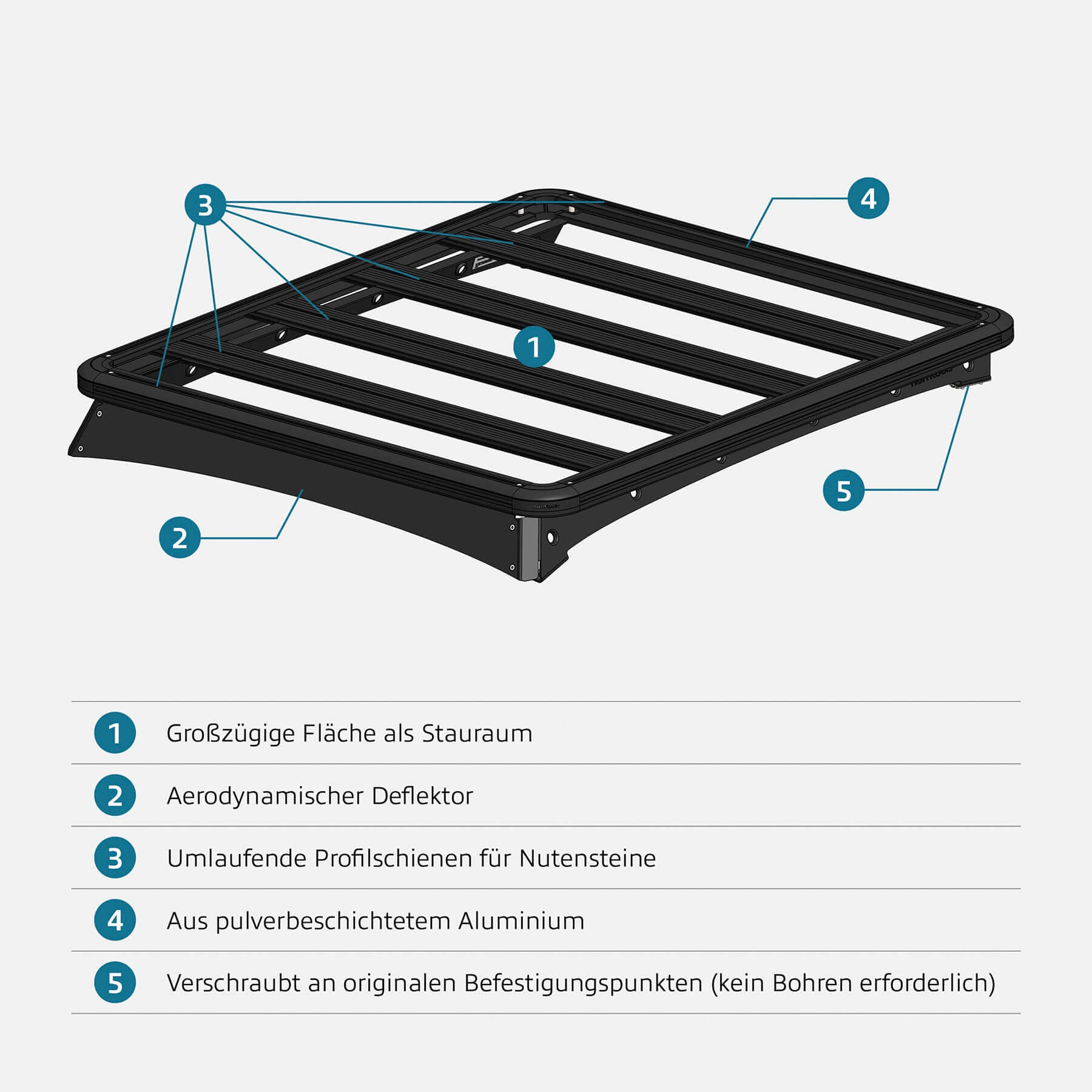
ExRoof roof rack
Horntools roof racks stand for functionality, stability, and maximum expandability. The ExRoof roof rack platform is the ideal solution for off-roading, camping, everyday use, and work applications.
Your advantages at a glance:
✔ Maximum flexibility – circumferential grooves allow for fastening at the front, top and bottom
✔ Wide range of models – Suitable for many vehicle types
✔ Extensive range of accessories – awning bracket, sand ladder holder, jerry can holder, expedition bags and much more
✔ Weatherproof & rustproof – Designed for rain, snow, UV radiation and mud
✔ Maximum usable area – Optimal use of the roof area with high stability
✔ Made in Europe – Highest manufacturing standards & strong quality
With the ExRoof roof rack, you can utilize the full potential of your vehicle – reliable, modular and ready for any adventure.
Discover all ExRoof roof racks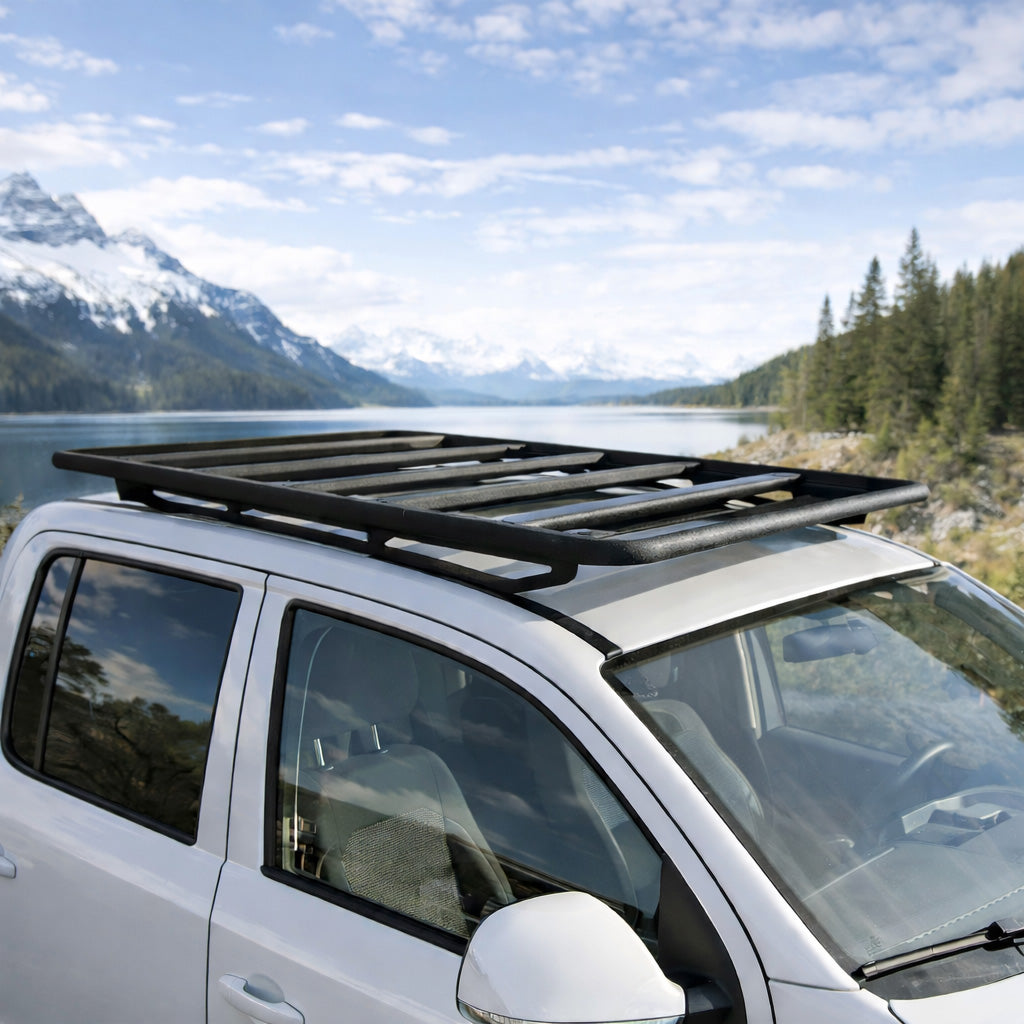
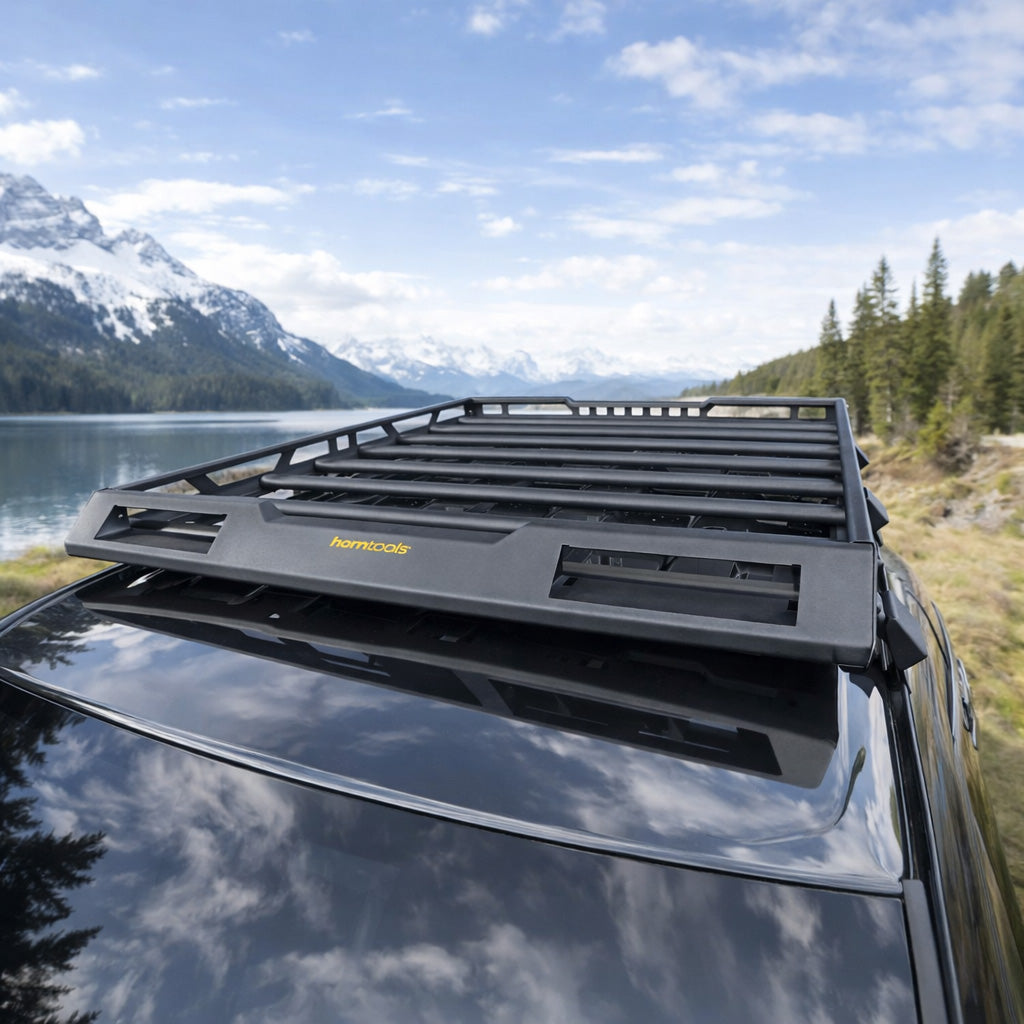
Extensive roof rack accessories


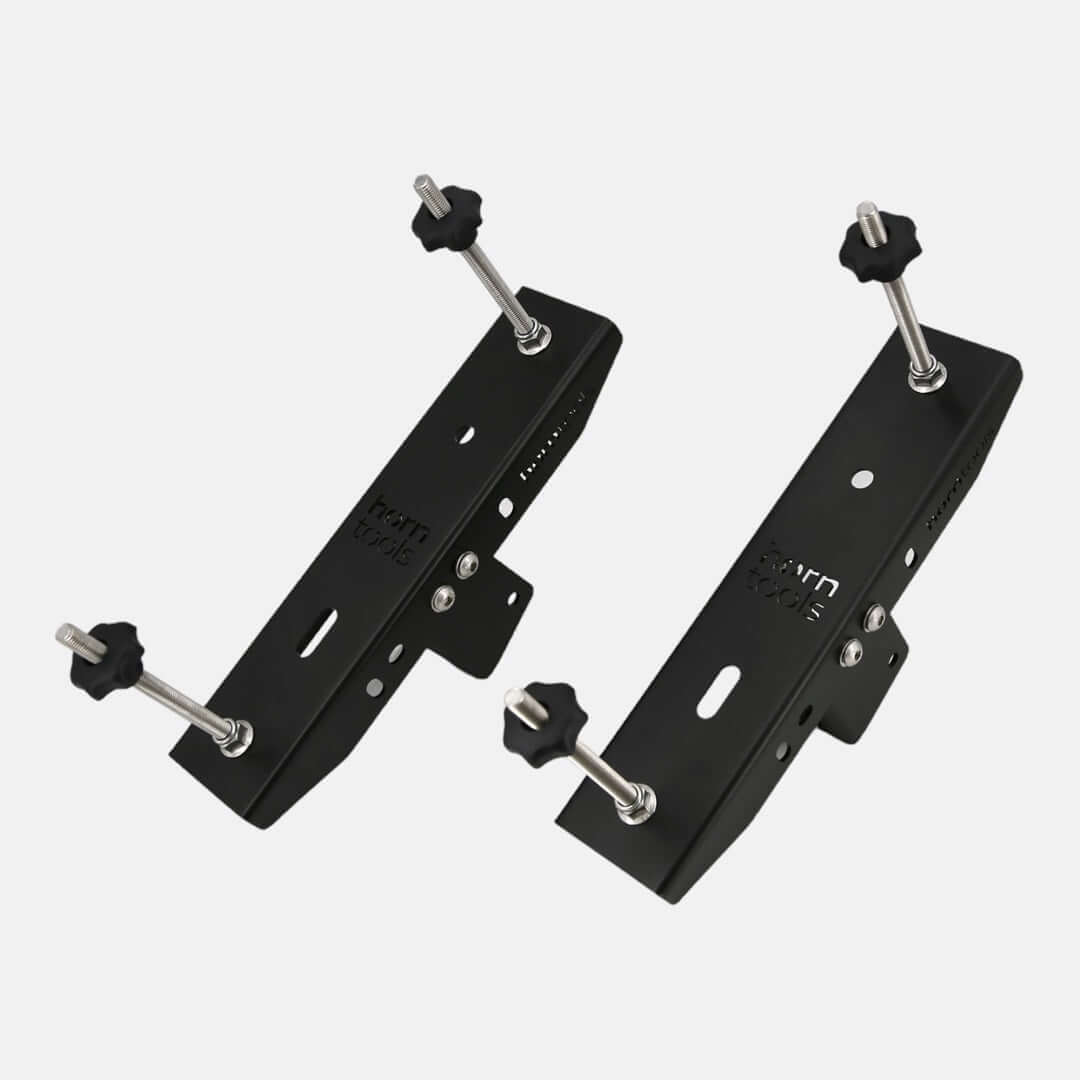

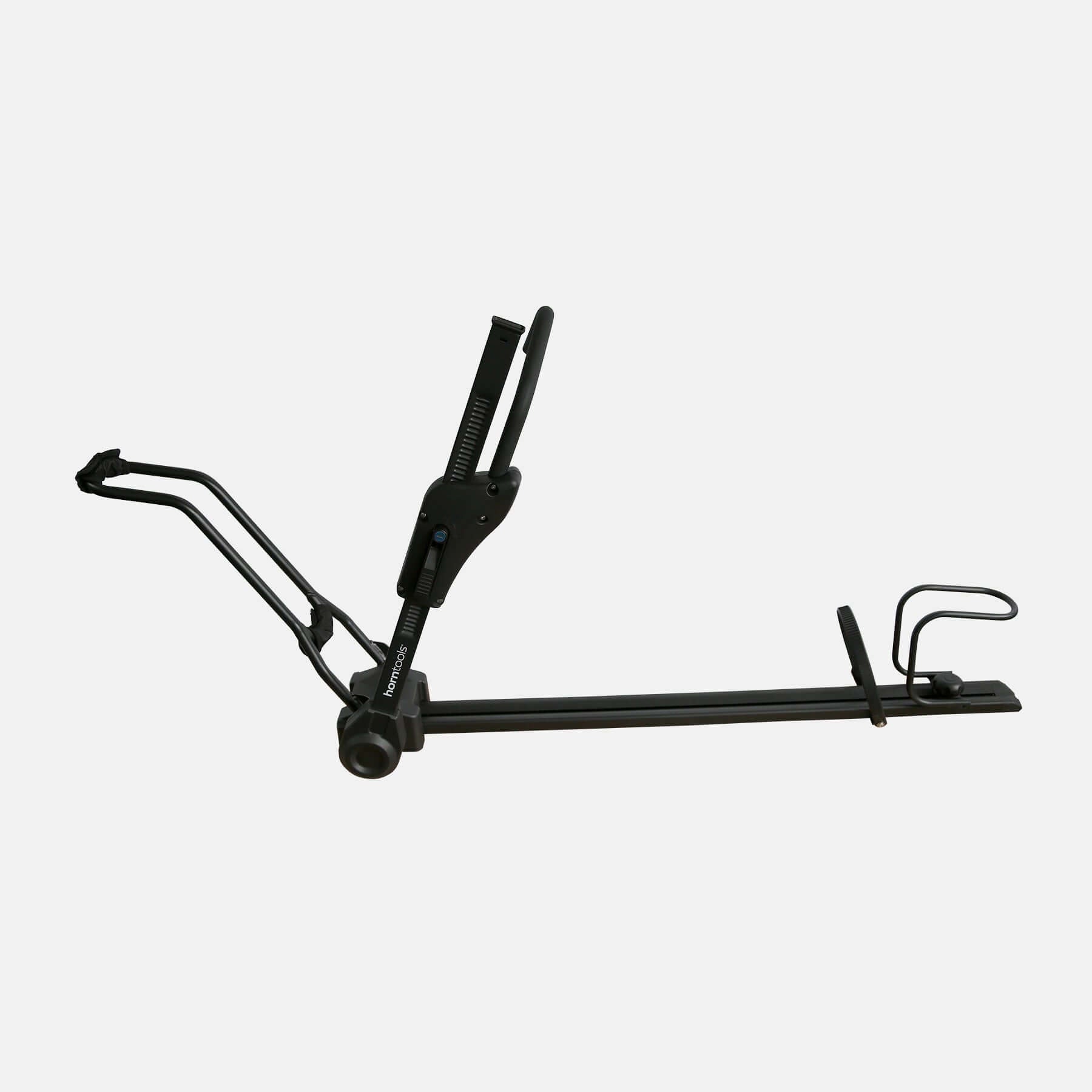
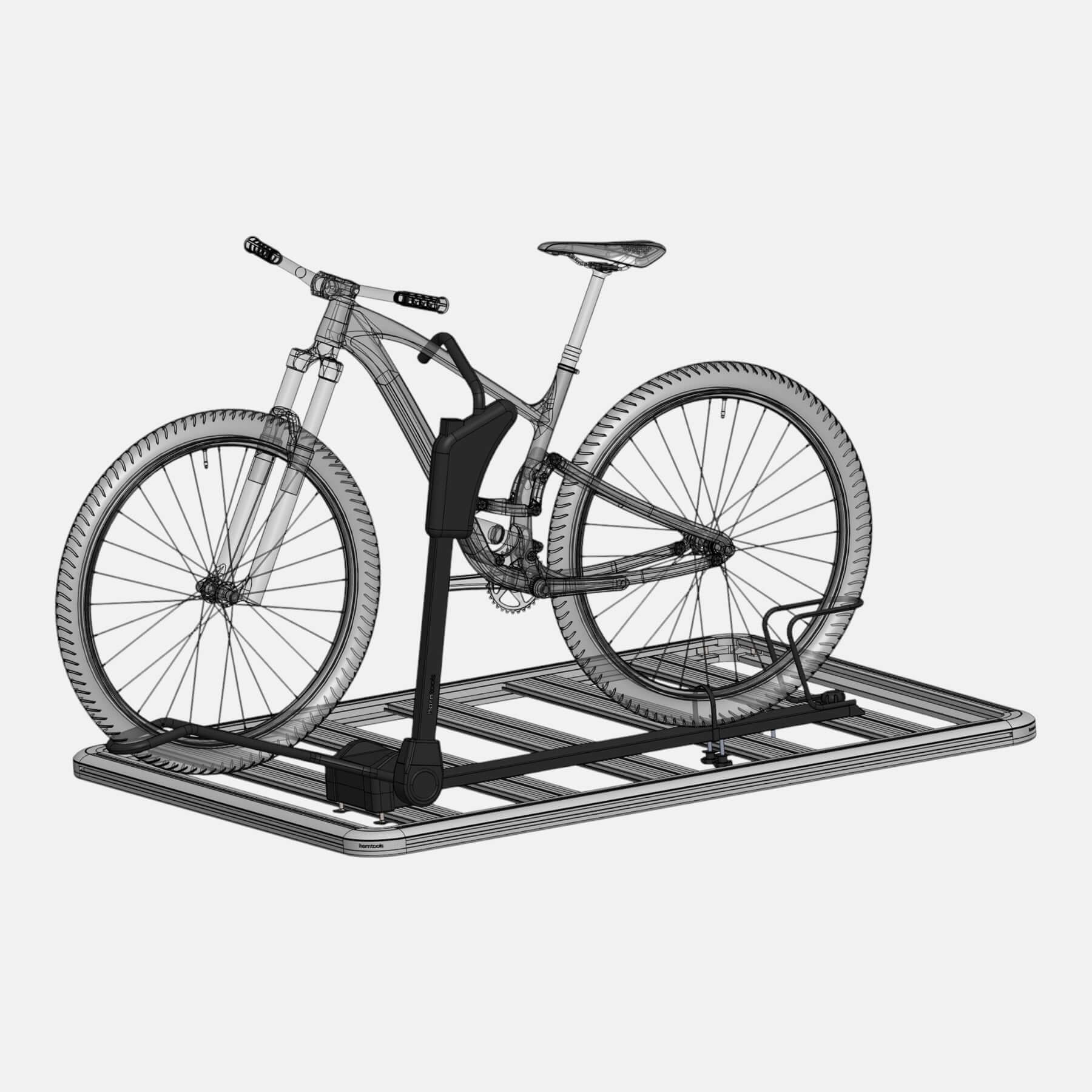


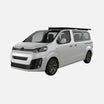
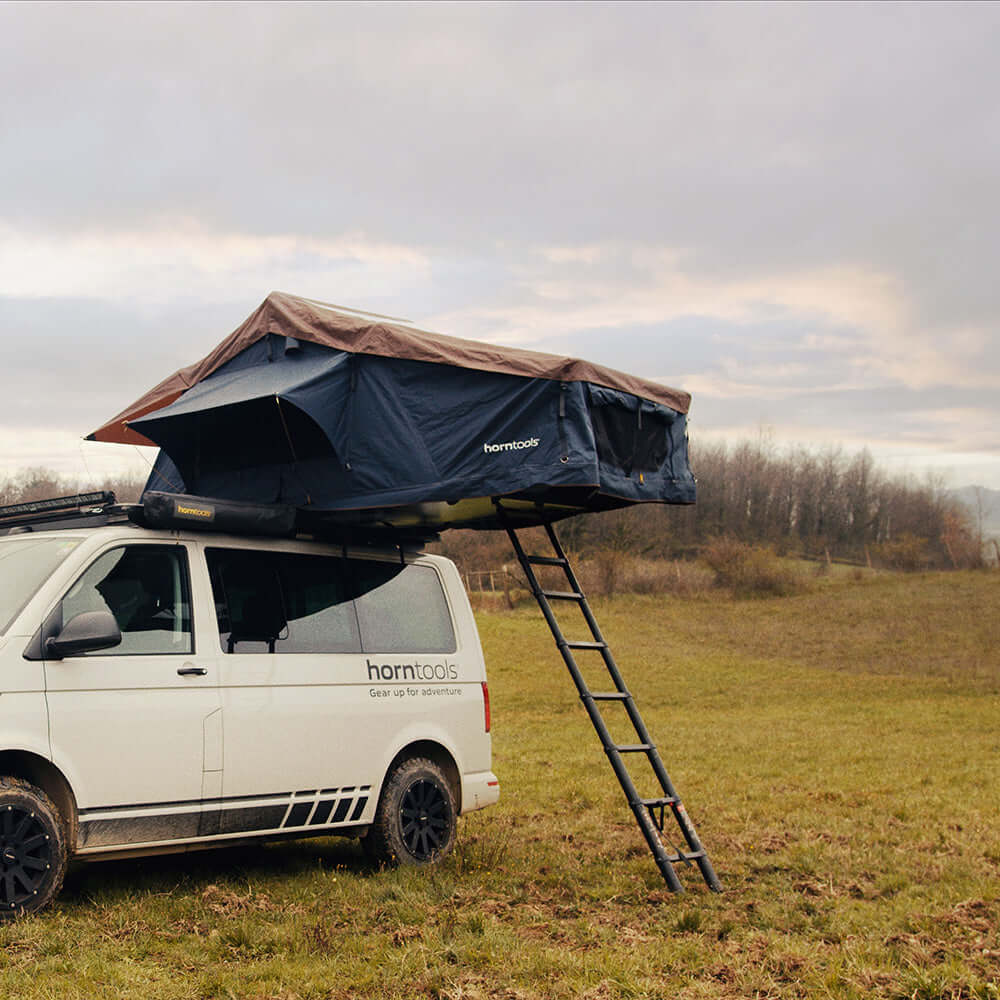
Roof rack for VW Bus
Robust, versatile and ideal for the safe transport of equipment, roof tents or other accessories.
Discover the T5 / T6 roof rack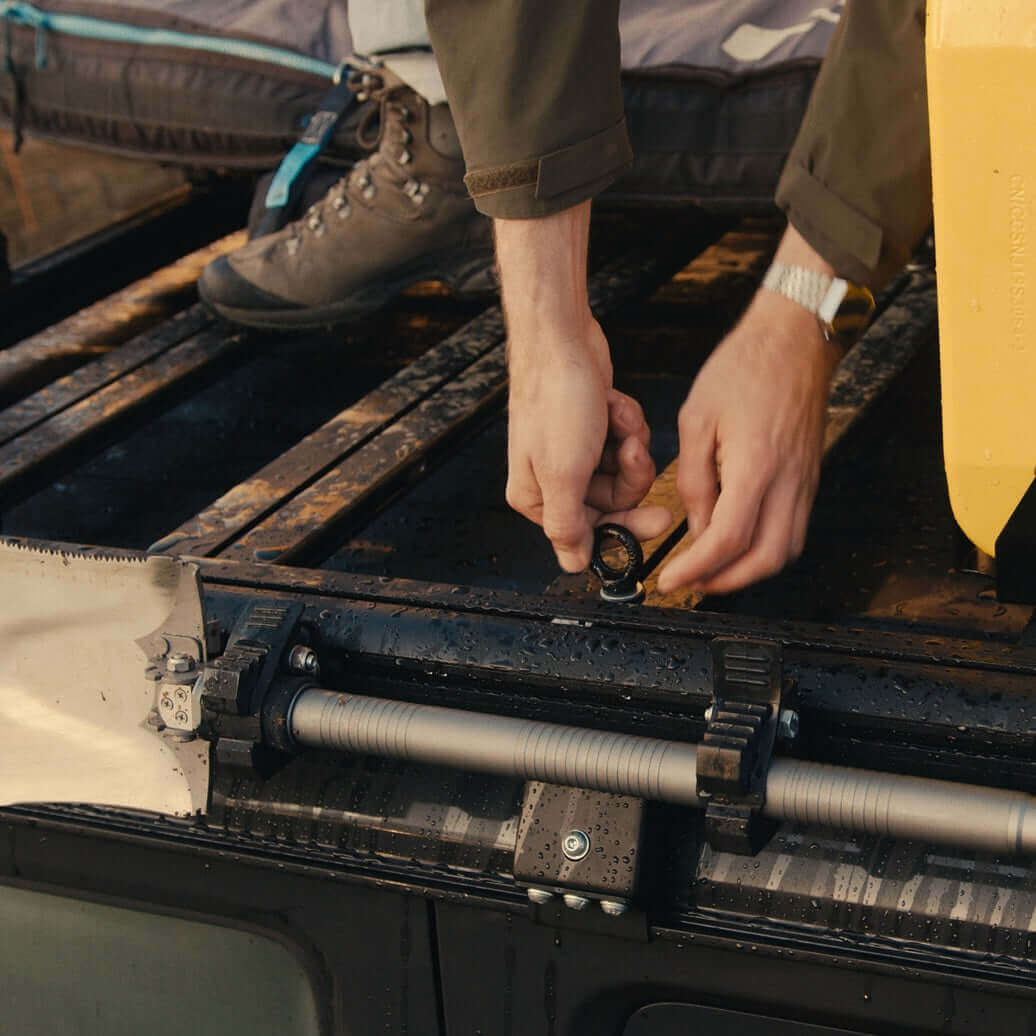
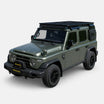
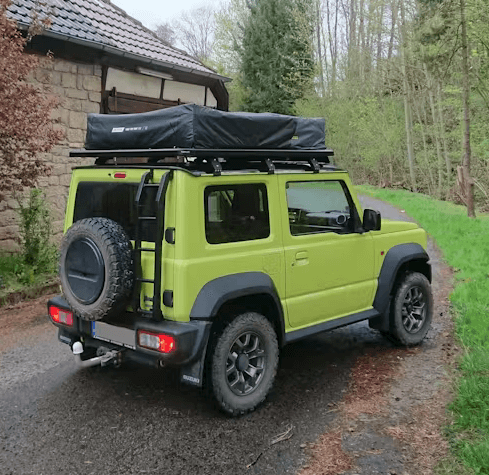
Roof rack for Suzuki Jimny
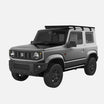
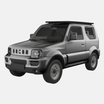
Proven quality from horntools: The ExRoof roof rack for the Suzuki Jimny creates additional storage space on the roof.
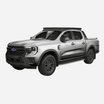
Discover the Suzuki Jimny GJ / HJ roof rackRoof rack for Ford Ranger
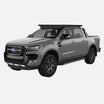
The ExRoof roof rack from horntools is available for various Ford Ranger models and provides a stable base for roof tents, transport boxes and other accessories.
Discover the Ford Ranger Wildtrak roof rack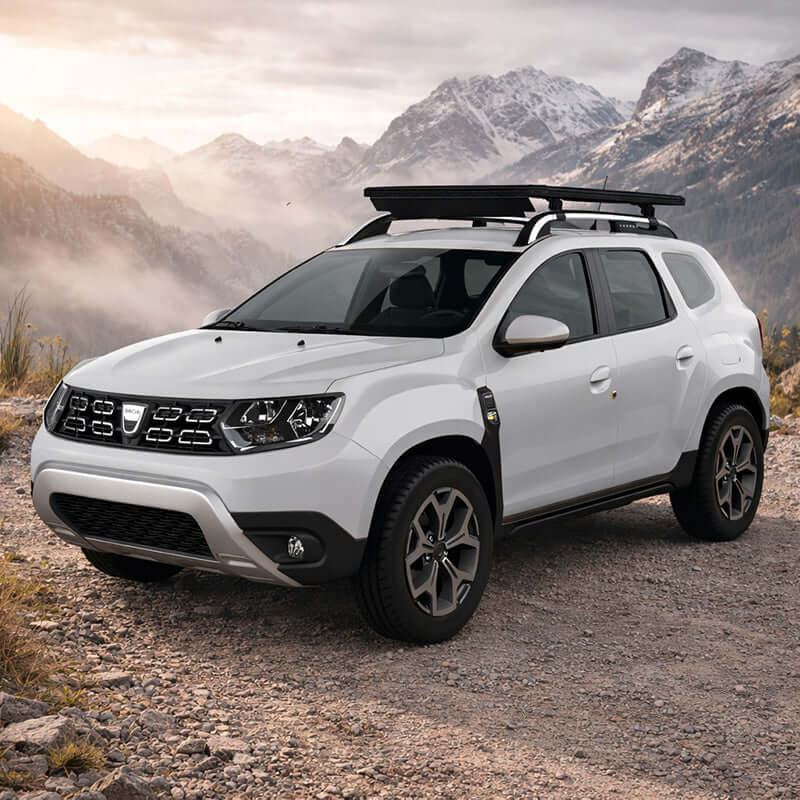
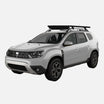
Roof rack for Dacia
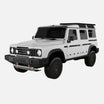
The roof rack from horntools for Dacia models creates additional storage space on the vehicle roof and provides a stable base for roof tents, transport boxes and other accessories.
Discover the Dacia Duster roof rackFeedback from our customers
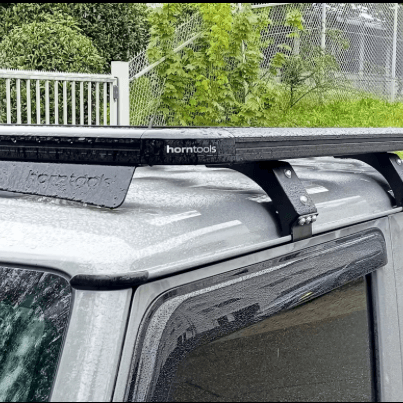
Hans
ExRoof Suzuki Jimny
Excellent product. Easy assembly with good instructions.
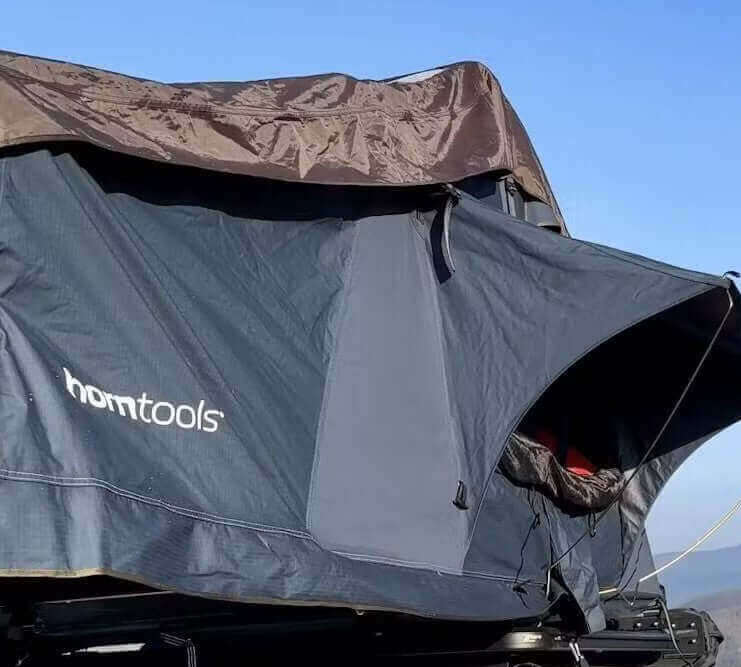
Andreas S.
ExRoof roof rack for VW Caddy
Very satisfied! Great platform for the Caddy. What I like best is the flexibility provided by the continuous grooves.
Martin
ExRoof Suzuki Jimny
Everything is great. The roof rack is very robust, functional, and the right choice for any adventure.
Anke S.
ExRoof roof rack for VW T5 / T6
We bought the roof rack including the 180-degree awning for our VW T6 and are extremely satisfied with the quality, appearance, and fit. Assembling the roof rack was straightforward and easily manageable for three people. I highly recommend it! 👍🏻
A. Marshke
ExRoof roof rack for Ford Transit Custom L1H1 / Ford Tourneo Custom L1H1
I love this roof rack. It looks fantastic, is easy to install, and quiet!
Herwig S.
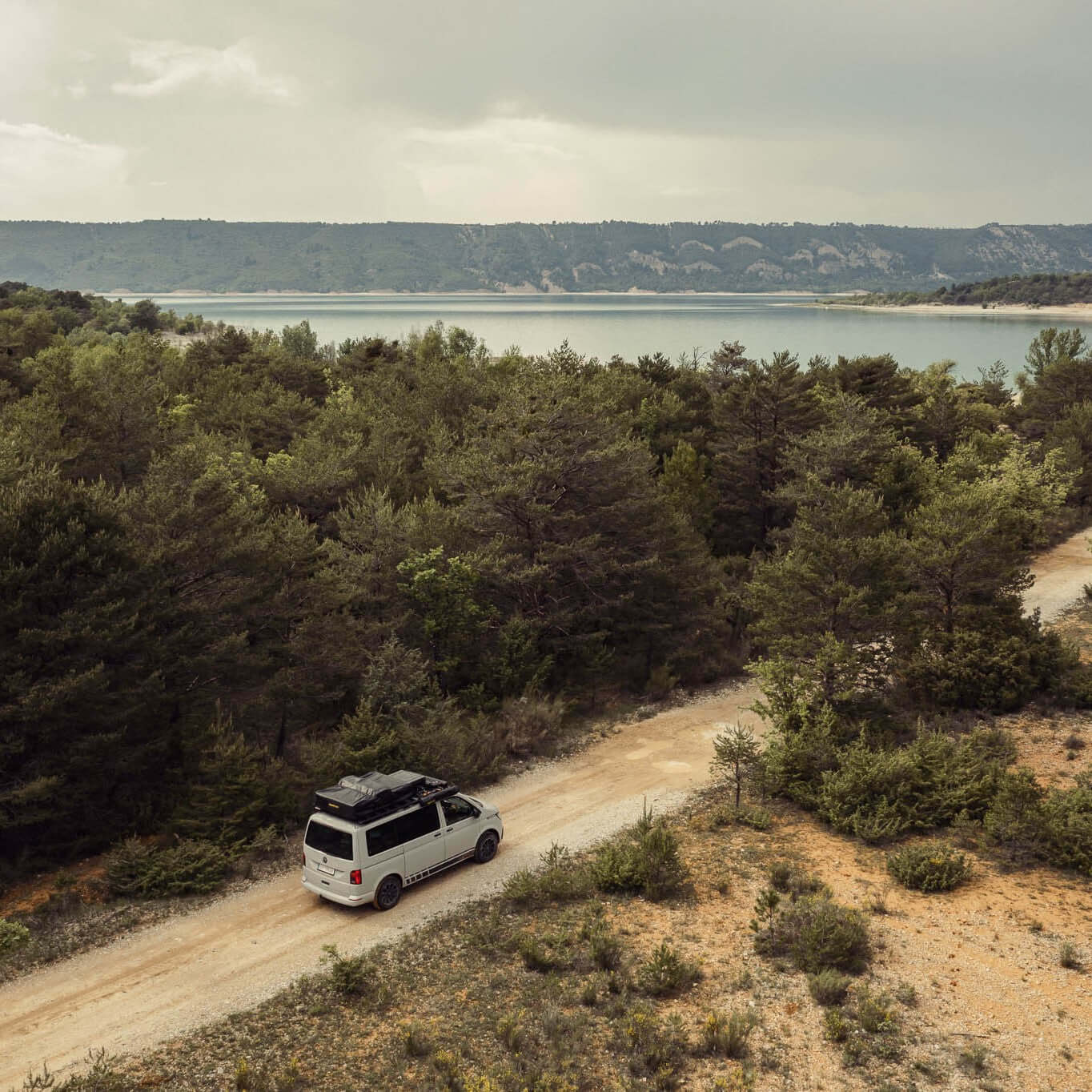
ExRoof roof rack for VW T5 / T6
I am completely satisfied with the product – very high-quality workmanship, perfect fit, great design, well-thought-out details! You can tell the people at horntools have experience and know what they're doing! And on top of that, a super friendly and competent team!
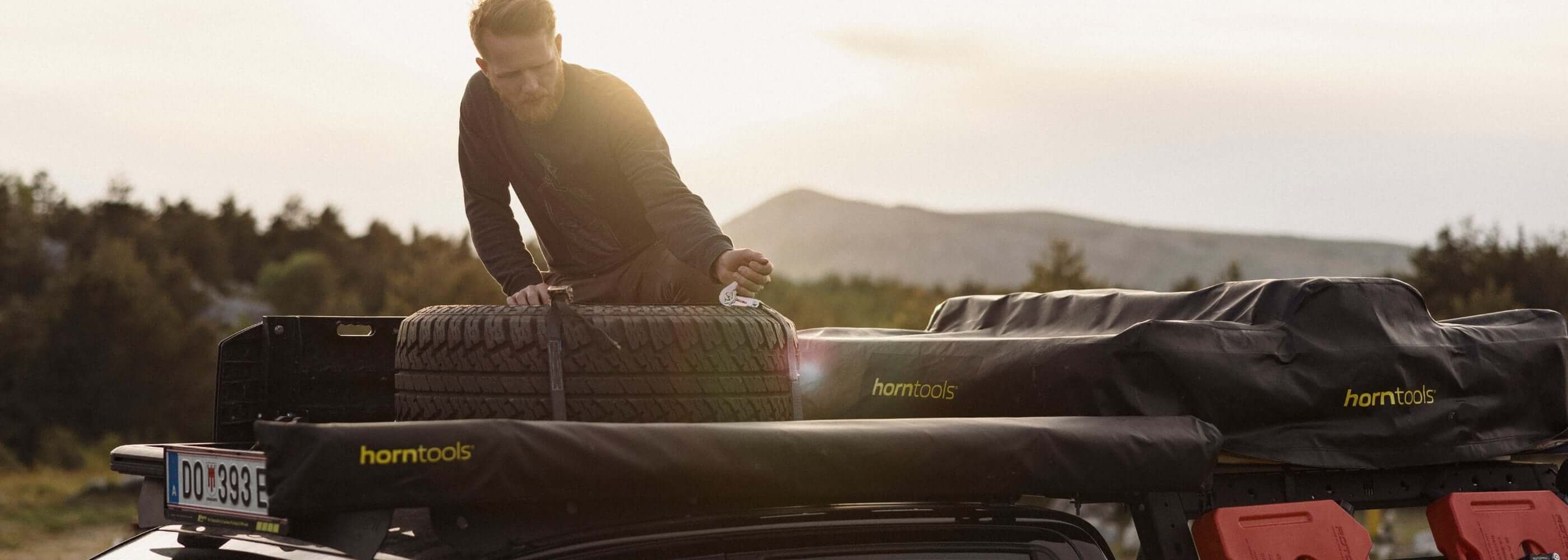
Find the perfect roof rack for you
Roof Rack Guide
Are you interested in roof racks, but don't yet know exactly which model suits you?
We'll help you find answers to all your important questions about roof racks.
General information about roof racks
A roof rack transforms the vehicle roof into a fully functional transport platform. Depending on the model and intended use, you can safely transport luggage, off-road equipment, roof tents, jerrycans, sand ladders, or tools – without sacrificing interior space. Especially for overlanding, expeditions, or professional use, a roof rack is not an optional extra, but practically indispensable.
The two most common types are crossbeams and platform roof racks .
Crossbars form two parallel bars across the vehicle roof – lightweight, inexpensive and well suited for everyday use with bicycles, skis or roof boxes.
Platform roof racks offer a continuous, flat loading surface. They distribute weight evenly, carry more loads, and can be equipped with significantly more accessories. In the off-road and overlanding sector, they are the clear standard – not least because they can reliably accommodate roof tents, jerrycans, sand ladders, and tools. horntools relies exclusively on platform roof racks.
Crossbars are the cheaper and lighter option – well-suited for transporting bicycles, skis, or a roof box for everyday use. However, those who regularly drive off-road, want to mount a roof tent, or carry genuine off-road equipment will quickly reach the limits of crossbars: too little surface area, too little load-bearing capacity, and too few accessory options.
Platform roof racks solve precisely these problems. They offer a continuous loading surface, distribute the weight evenly across the vehicle roof, and can be expanded modularly with accessories. The higher purchase price and slightly greater weight are the price for significantly more flexibility and load-bearing capacity – in the off-road sector, there is no serious alternative.
Generally, yes – provided your vehicle has the appropriate mounting points or can be fitted with suitable adapters. Before purchasing, check which mounting options are available for your model. Vehicles without original mounting points can often be fitted using clamp systems on the rain gutter.
horntools offers three different platform roof rack models:
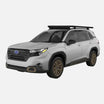
ExRoof – our newest, most advanced, and best-selling roof rack. Aluminum platform with a wraparound T-slot system, vehicle-specific and made in Europe. Available for a wide range of vehicle models, including Suzuki Jimny GJ/HJ & FJ, Ford Ranger, VW Amarok, VW T5/T6, Mitsubishi L200, Isuzu D-Max, Land Rover Defender 110 (from 2020 onwards), INEOS Grenadier, Dacia Duster, Mercedes G-Class (from 2018 onwards), Toyota Land Cruiser J25, Subaru Forester (from 2025 onwards), and many more.
Navis – proven round tube platform carrier with airline mounts for stepless accessory positioning. Available for Suzuki Jimny GJ/HJ, VW Amarok (2011–2020), Ford Ranger (2016–2022), Isuzu D-Max (2012–2020), Mitsubishi L200 and Nissan Navara (2015–2020).
El Portador – a compact entry carrier, specially designed for the Suzuki Jimny GJ/HJ. Robust construction and precise workmanship.
Vehicle & Compatibility
There are four things you should clarify before buying:
1. Vehicle Model & Year Many roof racks – especially the ExRoof – are vehicle-specific. This means: precise fit, clean installation at the original mounting points, no fiddling with universal adapters.
2. Intended Use: For overlanding, heavy equipment, and roof tents, you need a platform. For occasional bicycle transport, a simpler carrier is often sufficient – but if you know you'll want more in the future, it's worth investing in a modular system from the start.
3. Permissible roof load of your vehicle. This is stated in the vehicle manual or vehicle registration document. The weight of the roof rack itself always counts towards the available roof load – many people forget this when buying one.
4. Accessory compatibility : Plan ahead with accessories like awnings, sand ladders, jerrycans, and roof tents. A modular system like the ExRoof can be expanded at any time – saving you time and money in the long run.
Our product range is constantly expanding. If your vehicle model isn't currently available, simply get in touch – we can tell you if and when a suitable model will be released, or if there's an alternative. Please feel free to fill out the survey, and perhaps we'll soon be developing the next roof rack for you.
Roof load & weight
This depends on two factors: your vehicle's dynamic roof load and the load-bearing capacity of the roof rack itself. The dynamic roof load is listed in your vehicle's owner's manual or registration document and indicates how much you are allowed to transport on the roof, including the roof rack system, while driving. The weight of the roof rack itself is always included in this calculation.
Typical values for SUVs and pickups range between 75 and 150 kg dynamically – often higher than for regular passenger cars. You can find the exact load capacity of each ExRoof model on the respective product page.
The dynamic roof load applies while driving. It indicates how much weight – including the roof rack – is permitted on the roof while you are driving. With a dynamic load of 80 kg and a 15 kg roof rack, you therefore have a payload of 65 kg.
The static roof load only applies when the vehicle is stationary – it's relevant if you're using a roof tent and sleeping in it. It's usually three to four times the dynamic roof load. A vehicle with a dynamic roof load of 80 kg often allows for 250–300 kg when stationary – more than enough for a roof tent with occupants.
In short: For driving, the dynamic roof load is what matters. For sleeping in a roof tent, the static load is what matters.
The platform must not exceed the permissible vehicle width and must make efficient use of the available roof area. Our vehicle-specific models are precisely tailored to the respective roof geometry – you don't need to worry about dimensions, that's already been taken care of during the engineering process.
Yes, slightly – the increased air resistance does increase fuel consumption, especially at higher speeds. In everyday driving below 100 km/h, the difference is barely noticeable with a flat aluminum platform like the ExRoof. If you don't need the carrier for an extended period, you can simply remove it – installation and removal are straightforward in both directions.
Assembly & Use
Installation is vehicle-specific, but usually possible without drilling and can easily be done alone. First, the carrier is assembled according to the included instructions, then attached to the vehicle's original mounting points.
You can find the complete assembly instructions and all necessary downloads on the respective product page in the "FAQ & Download" section. After assembly, we recommend a short test drive to check the fit and secure attachment – and to recheck the tightening torques after the first few rides.
No. Assembly is possible with standard tools. All necessary screws and mounting hardware are included. Our customer service team is happy to assist you with any assembly questions.
After the first 50–100 kilometers, we recommend checking all screw connections again to ensure they are properly tightened. This is advisable for every newly installed carrier – regardless of the manufacturer – as connections can loosen slightly due to vibrations. After that, an occasional visual inspection is sufficient.
The horntools roof racks are delivered as a kit – all necessary parts, screws, and assembly instructions are included. Assembly is easily manageable alone and requires no special tools. The complete assembly instructions are also available for download on the respective product page.
If you prefer to have the carrier professionally installed: In our showrooms in Berlin, Hamburg, Munich, Stuttgart, Dornbirn, and North Rhine-Westphalia, you can receive personal advice and have the carrier installed directly on site. Find your nearest showroom here.
Yes. The horntools roof racks are designed for year-round use – aluminum does not rust, and the coating is UV and weather resistant.
This depends on the model and vehicle, but for the ExRoof it's typically in the range of 8–12 cm in height – without any equipment on board. With a roof tent, the overall height can increase significantly above 2.0 m, which excludes some parking garages and underground car parks.
You can find the exact installation height of each ExRoof model on the product page.
Transport & Accessories
Short answer: almost anything that remains within the permissible roof load and can be securely fastened.
The most common use cases for our customers:
- Roof tents – can be mounted and dismounted particularly conveniently and without tools using the ExRoof quick-release system.
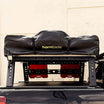
Off-road and overlanding equipment – sand ladders (recovery boards), jerrycans, Hi-Lift jack, spare tire, recovery strap, shackles. Everything you need off-road and don't want to store inside the vehicle.- Transport boxes & bags – e.g. the waterproof Expedition Bags from horntools, which can be attached directly to the platform.
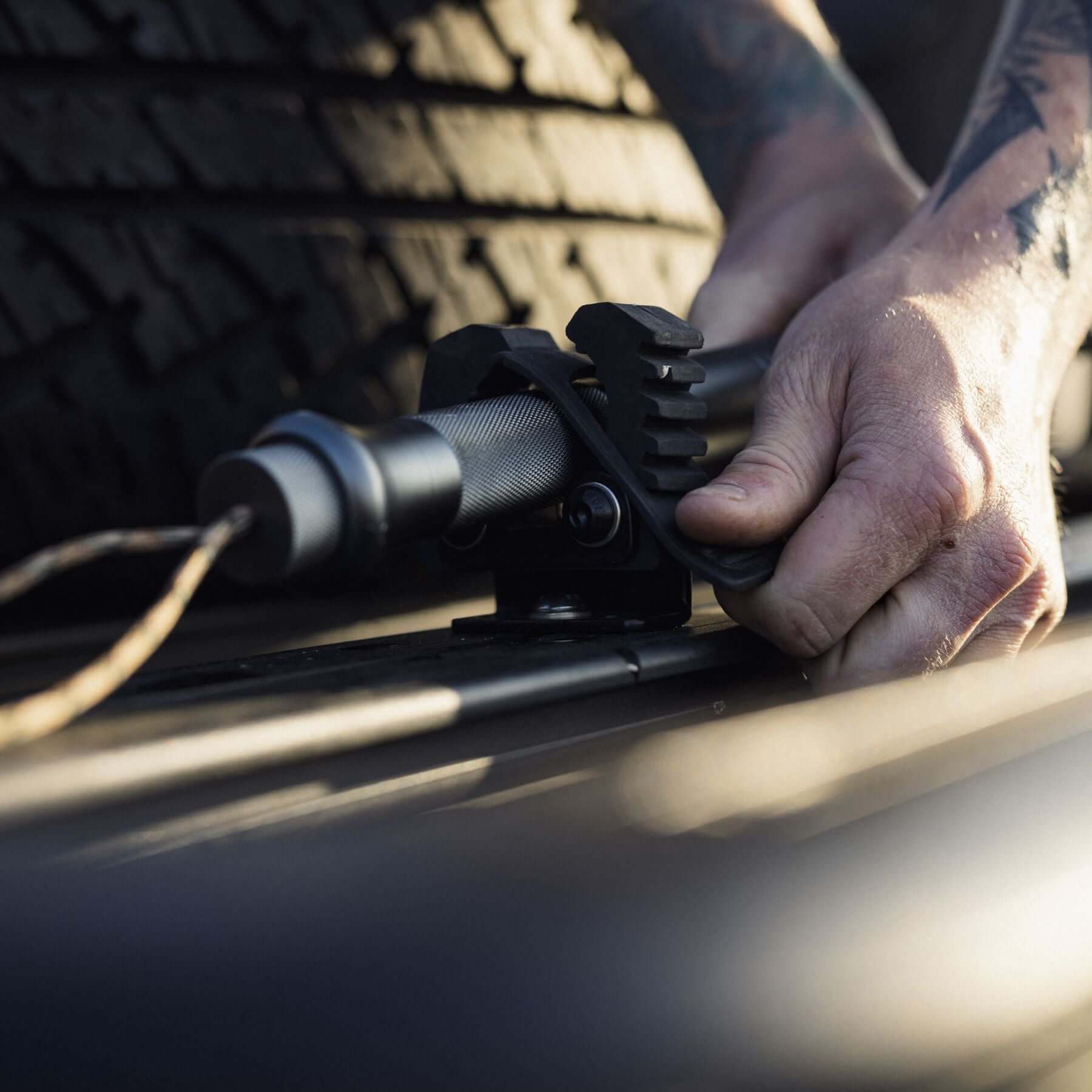
- Tools & Equipment – Quick Fist holders allow shovels, axes, pipes and similar items to be secured neatly and within easy reach.
- Awnings – with the appropriate ExRoof awning bracket, an awning can be attached directly to the carrier without additional drilling into the vehicle.
All horntools platform roof racks are generally suitable for roof tents – the decisive factor is the static roof load capacity of your vehicle, not the rack itself. The static roof load capacity of most vehicles is well over 200 kg, which is more than sufficient for a roof tent with two to four people.
The combination of ExRoof + roof tent is particularly recommended: With the ExRoof quick-release fastener for roof tents, the tent can be mounted and removed without tools in minutes – ideal for anyone who wants to use the carrier without a tent.
The accessories are modular and directly compatible with the T-slot system of the ExRoof:
- Awning brackets
- Sandboard / Recovery Board Mounts
- Jerrycan holders (including tension strap)
- Quick-release fastener for roof tents (tool-free assembly)
- Quick Fist tool holders
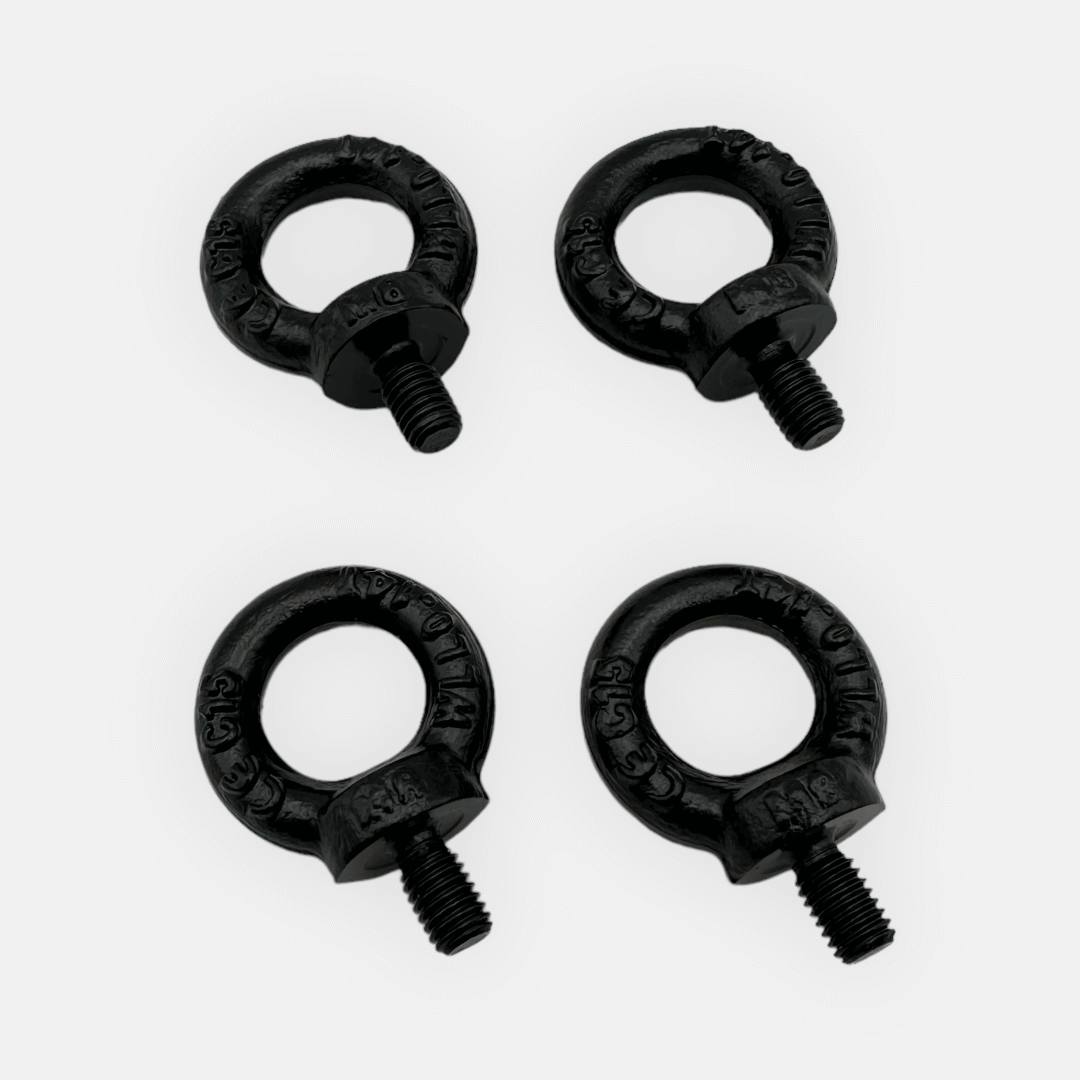
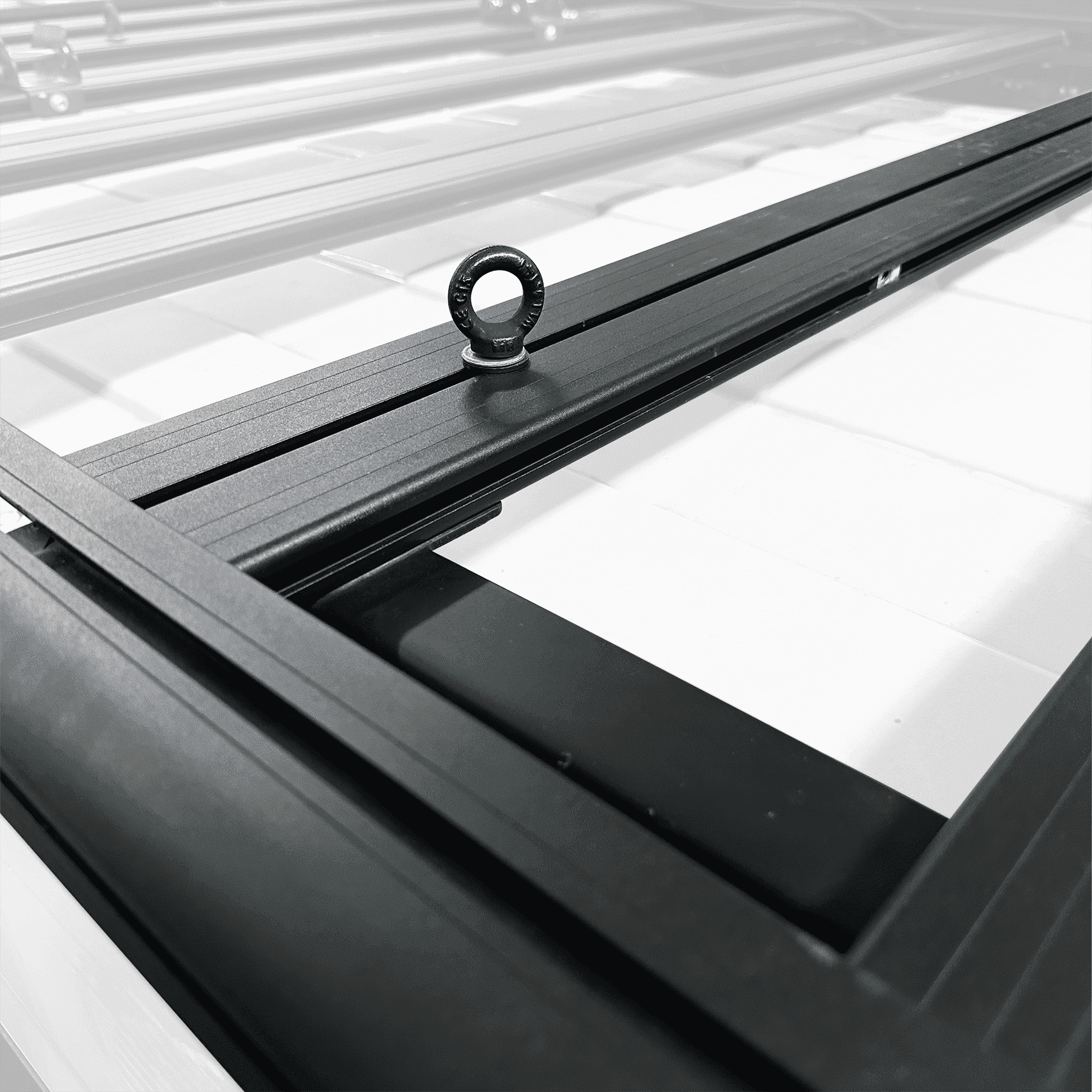
- Eyebolts (for tensioning straps & lashing systems)
- Steps
- Expedition Bags (waterproof)
You can find an overview of all accessories here .
Stealing the rack itself is complicated – it's attached to the original mounting points with several screws and can't be removed in seconds. However, a certain degree of risk always remains, especially with the equipment on the rack.
Our recommendation: Secure high-quality equipment such as roof tents with our roof tent anti-theft device . Our transport boxes can also be locked with conventional padlocks.
Generally, yes, provided the roof box has a compatible mounting system. horntools platform roof racks offer good mounting options via the T-slot system or airline rails (for navigation devices). If in doubt, please contact our customer service – we'll help you check compatibility.
There is no specific speed limit for loaded roof racks in the German Road Traffic Regulations (StVO). However, a maximum speed of 120–130 km/h is recommended. More important than the maximum speed is proper load securing: everything must be securely fastened and must not come loose, even during emergency braking or evasive maneuvers. The driver is responsible for load securing.
Legal & Insurance
No. A roof rack that is detachably attached to the vehicle's original mounting points is legally considered cargo – not a vehicle modification. Therefore, registration in the vehicle documents or an inspection by TÜV (Germany), a §57a inspector (Austria), or a comparable testing facility is not required.
This applies to all horntools roof racks: They are screwed exclusively onto the existing original mounting points, without any modification to load-bearing vehicle parts.
Important: This principle applies EU-wide, as it is based on the principle that detachably attached add-on parts are not classified as vehicle modifications. The exact procedure may vary slightly depending on the country and inspector – if in doubt, briefly check with the responsible inspector.
Generally, no – since a roof rack is not considered a vehicle modification, there is no obligation to report it to your insurance company. However, we recommend briefly checking with your insurance provider to see if the rack itself or the equipment transported on it is covered in the event of damage. High-value equipment such as roof tents or sand ladders should ideally be covered by a home contents or travel insurance policy.
Find your dealer
Would you like to experience our products in person or get personal advice? Find the nearest retailer in your area here.